Best Time to Do the W Trek: 2026/27 Month-by-Month Guide
The best time to hike the W Trek is during the months of late November or March, which offer the ideal balance of manageable crowds, moderate temperatures, and slightly lower wind speeds. While the trail is technically open from October through April, your specific window will likely be determined as much by refugio availability as by the Patagonian weather.
Planning a trek in Torres del Paine National Park requires navigating a complex set of trade-offs. If you prioritize long daylight hours and warmth, the peak summer months of January and February are your target, though you will share the trail with thousands of other hikers. If you prefer solitude and autumn colors, the late season in April provides a stunning but much colder experience. Because the W Trek is the most popular route in South America, the “best” time for you is ultimately the window where you can secure a confirmed booking.
The Quick Verdict: When is the Best Time to Hike?
For most trekkers, the “Goldilocks” window falls in late November or early March. During these weeks, the park is fully operational, the weather is generally stable enough for high-pass crossings, and the intense mid-summer crowds have either not yet arrived or have begun to thin out.
W Trek Timing at a Glance
- Peak Season: December to February (Warmest, windiest, most crowded)
- Shoulder Season: October to November and March to April (Best value and solitude)
- Booking Window: 6 to 9 months in advance for peak summer dates
- Daylight: Up to 17 hours in December; 10 hours by late April
- Wind Risk: Highest from November through February
If your primary goal is photography, March is the undisputed winner due to the turning Lenga forests and clearer air. For those on a tighter budget, the very beginning of the season in October or the end in April offers lower rates for some services and much easier last-minute booking flexibility, provided you have the gear to handle sub-zero overnight temperatures.
W Trek Seasonality: A Comparison of the Four Phases
The trekking year in Torres del Paine is not a single continuous season but four distinct atmospheric phases. Each phase dictates not just what you pack, but which direction you might choose to hike and how early you need to wake up to reach the viewpoints.
- Weather: Warmest temps (15-20°C) but extreme wind vs. Cooler temps (5-12°C) but calmer air
- Crowds: Refugios at 100% capacity vs. 60-80% capacity with more space at lookouts
- Logistics: All services fully open vs. Some high-altitude trails may have late snow or early closures
- Daylight: 16-17 hours vs. 11-14 hours
Choose Summer for the best chance of clear 'Blue Bird' days; choose Shoulder for photography and a more peaceful trail experience.
Spring (October to mid-November) is characterized by the awakening of the park’s flora, including the blooming Darwin’s Slipper orchids (often called Lady’s Slipper). However, it is also the most unpredictable phase, where a single afternoon can oscillate between brilliant sunshine and a heavy sleet storm. Autumn (March to April) is the most stable phase, with the infamous Patagonian winds finally subsiding, though the nights become significantly colder as the season progresses toward May.
Month-by-Month Breakdown for the W Trek
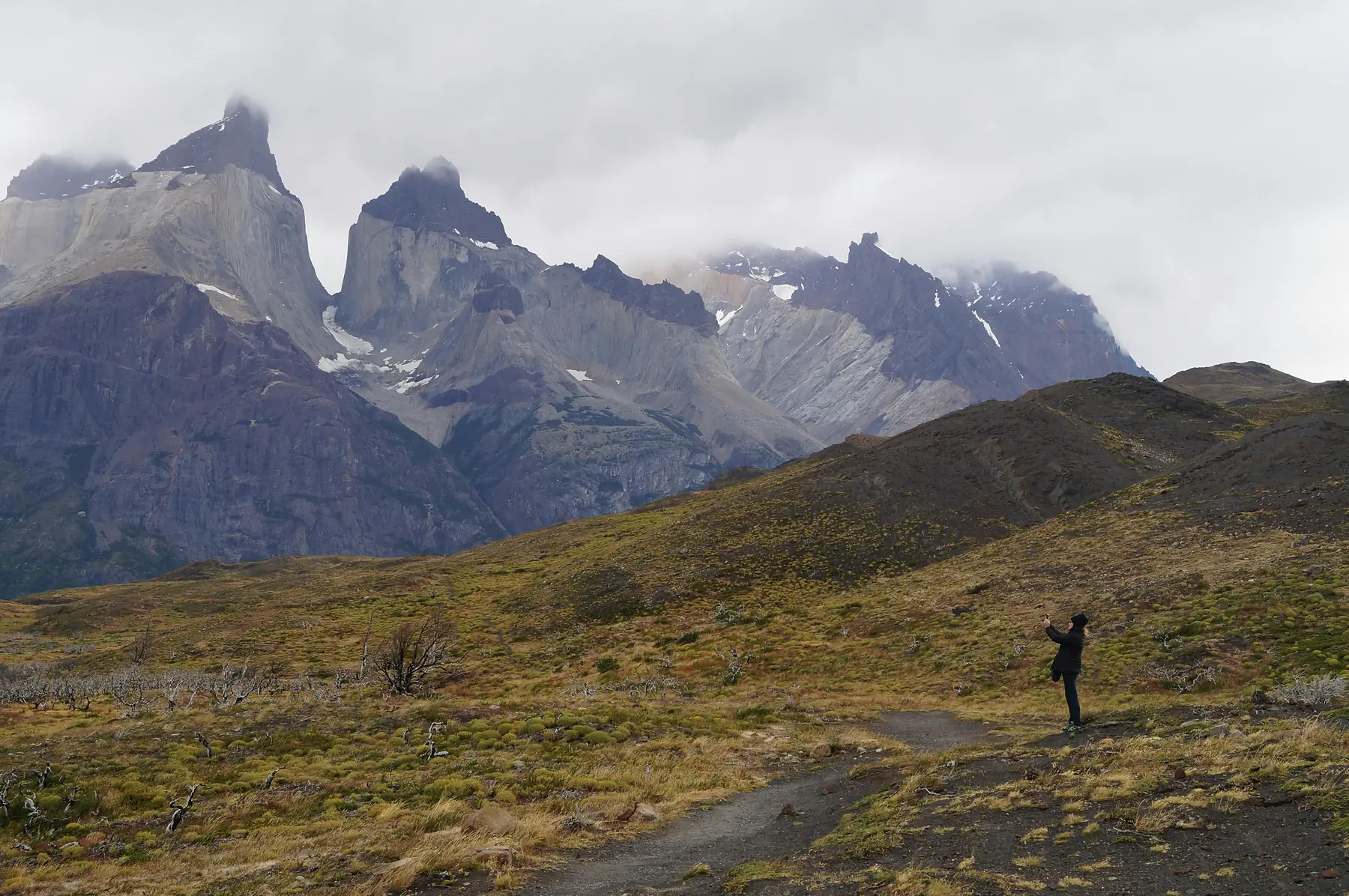
Choosing a specific month requires understanding the logistical reality of the trail. The Torres del Paine weather data shows that while temperatures are relatively consistent, the “feel” of the trek changes dramatically as the season ages.
October: The Season Opener
October is for the hardy. The trails are fresh and the park feels empty compared to the summer rush. You will likely encounter lingering snow on the final climb to the Base de las Torres or at the Britanico lookout in the French Valley. Many trekkers find this the best month for wildlife spotting, as animals are less deterred by human traffic.
November: The Sweet Spot
By mid-November, the park is in full swing. The weather begins to stabilize, and the flora is at its most vibrant. This is the best balance of long days and manageable wind before the January peak, though November is statistically one of the windiest months in the park.
December and January: Peak Summer
These months offer the warmest temperatures, often reaching 18-20°C. However, this is also when the wind is most aggressive. Expect sustained winds of 60-80 km/h on exposed sections, with gusts occasionally exceeding 100 km/h. In January, the “human traffic jams” at the Base de las Torres are real; you may have to wait for a spot to take your photo at the iconic lake.
February: High Energy
February remains very busy and dry. It is an excellent month for those staying in campsites, as the ground is dry and the nights are relatively mild. Booking for February usually requires at least six months of lead time.
March: The Photographer’s Choice
In March, the wind drops significantly. The air becomes crisp and clear, providing the best visibility for the granite spires. Toward the end of the month, the Lenga forests begin their transition to deep reds and oranges. Note that some sectors, such as Cuernos and Serón, typically close for the season on March 30.
April: The Quiet Close
April offers the most stable weather but the shortest days. Nights frequently drop below freezing. By mid-April, some services begin to wind down.
The “Wind Factor” and Your W Trek Dates
Wind is the defining characteristic of the W Trek, and it is most intense during the warmest months of December and January. The geography of the park creates a “funnel effect” in the French Valley, where wind can accelerate to speeds that make walking difficult, especially for those carrying full packs.
The wind also dictates your strategy for the catamaran crossing on Lake Pehoé. In extreme gusts (exceeding 80-100 km/h), the boat may be delayed or cancelled for safety reasons, which can ripple through your entire itinerary.
Does Direction Matter for Wind?
Many hikers choose their direction based on wind patterns. If you hike West-to-East (starting at Glacier Grey and finishing at the Towers), you will generally have the prevailing winds at your back or side during the most exposed sections between Paine Grande and the Italian Camp. This direction is often preferred by those worried about the physical toll of fighting a headwind for four days.
To plan your specific route and see how wind might impact your daily mileage, see our guide on choosing your W Trek itinerary.
Refugio Availability: The Real “Best Time” Decider
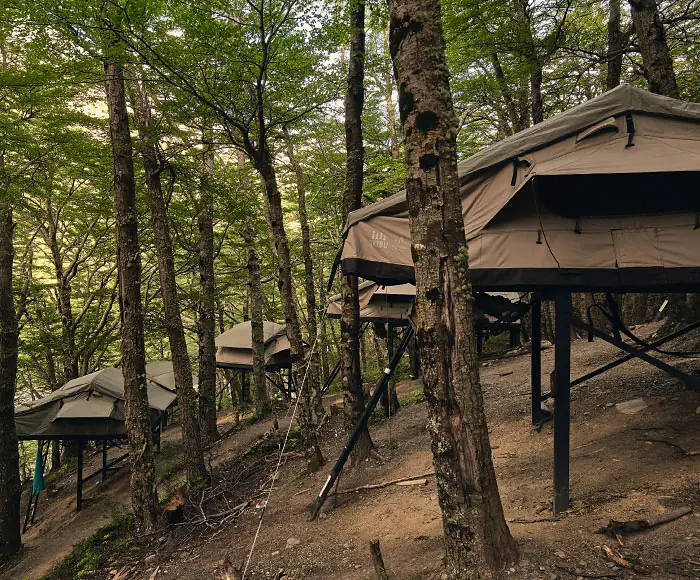
Regardless of the weather, your “best time” is fundamentally limited by the booking window. For the W Trek, the infrastructure is managed by two separate companies, Vertice Patagonia and Las Torres Patagonia, and their beds fill up months in advance.
- The 6-Month Rule: For a trek in January, you should ideally have your bookings secured by the previous July.
- Shoulder Season Flexibility: October and April are the only months where “last-minute” bookings (1-2 months out) are semi-realistic.
- Camping vs. Refugios: If you are bringing your own gear and camping, your booking window is slightly more flexible, as tent sites are more numerous than bunk beds. However, the most popular sites like Chileno and Cuernos still sell out rapidly.
To understand the difference between the various camps and how to secure your spot, read our full breakdown of W Trek accommodation.
To go deeper on the booking process
If you have identified your ideal month, the next step is navigating the two different booking platforms. This is the most frustrating part of the planning process for most travellers.
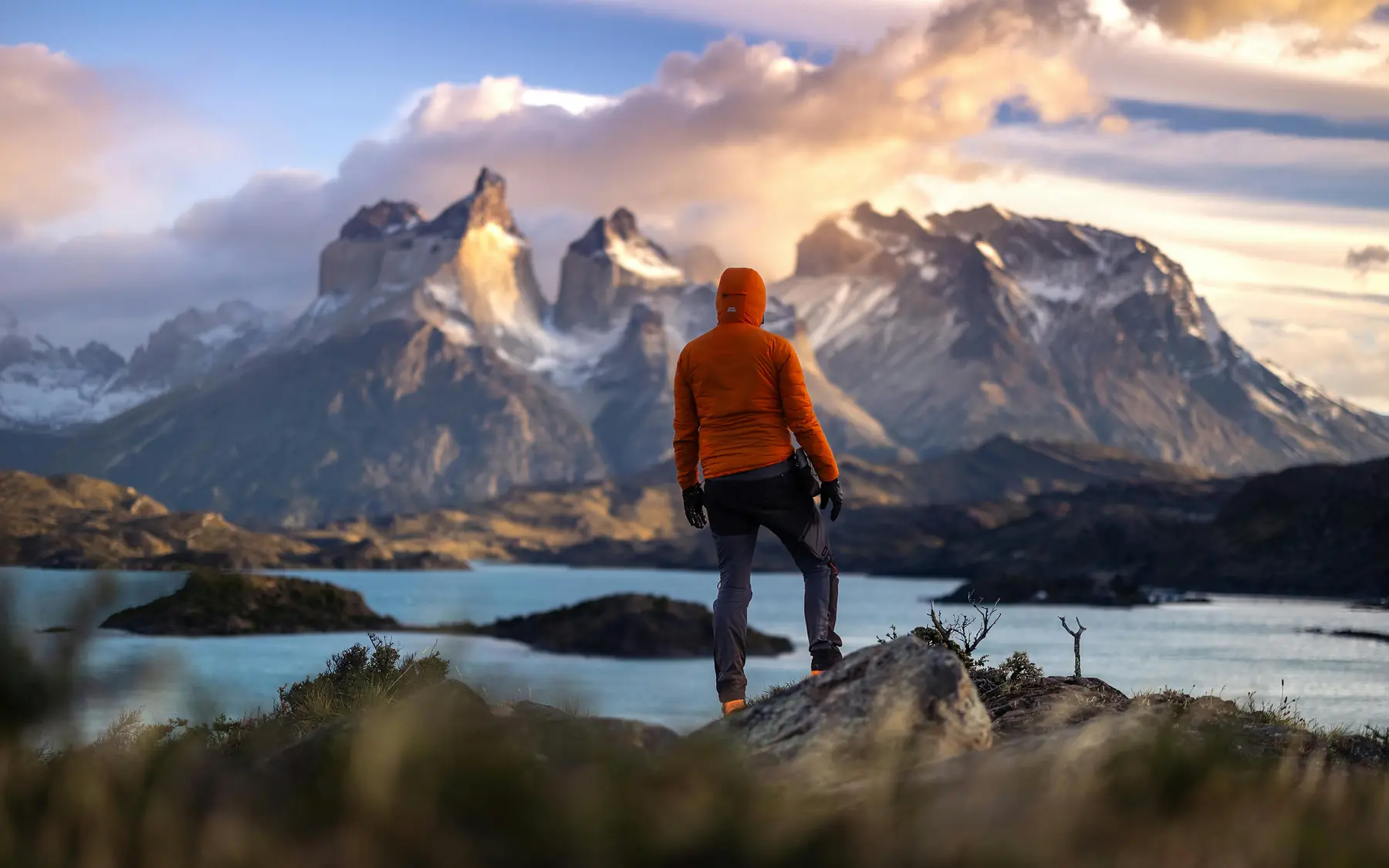
Photography on the W Trek: Timing for the Best Light
For photographers, the W Trek is about one thing: the “Red Flash.” This phenomenon occurs at sunrise when the first light hits the granite of the Central, North, and South Towers, turning them a fiery orange-red.
The air quality in March and April is generally superior for this. During the height of summer, the heat and high winds can create a slight haze or “flat” light. In the autumn, the air is stiller and colder, which often results in more dramatic, high-contrast sunrises.
If you are debating between a summer trip and a shoulder season trip specifically for the visuals, we compare the summer vs. shoulder season trade-offs in more detail, including light quality and cloud cover patterns.
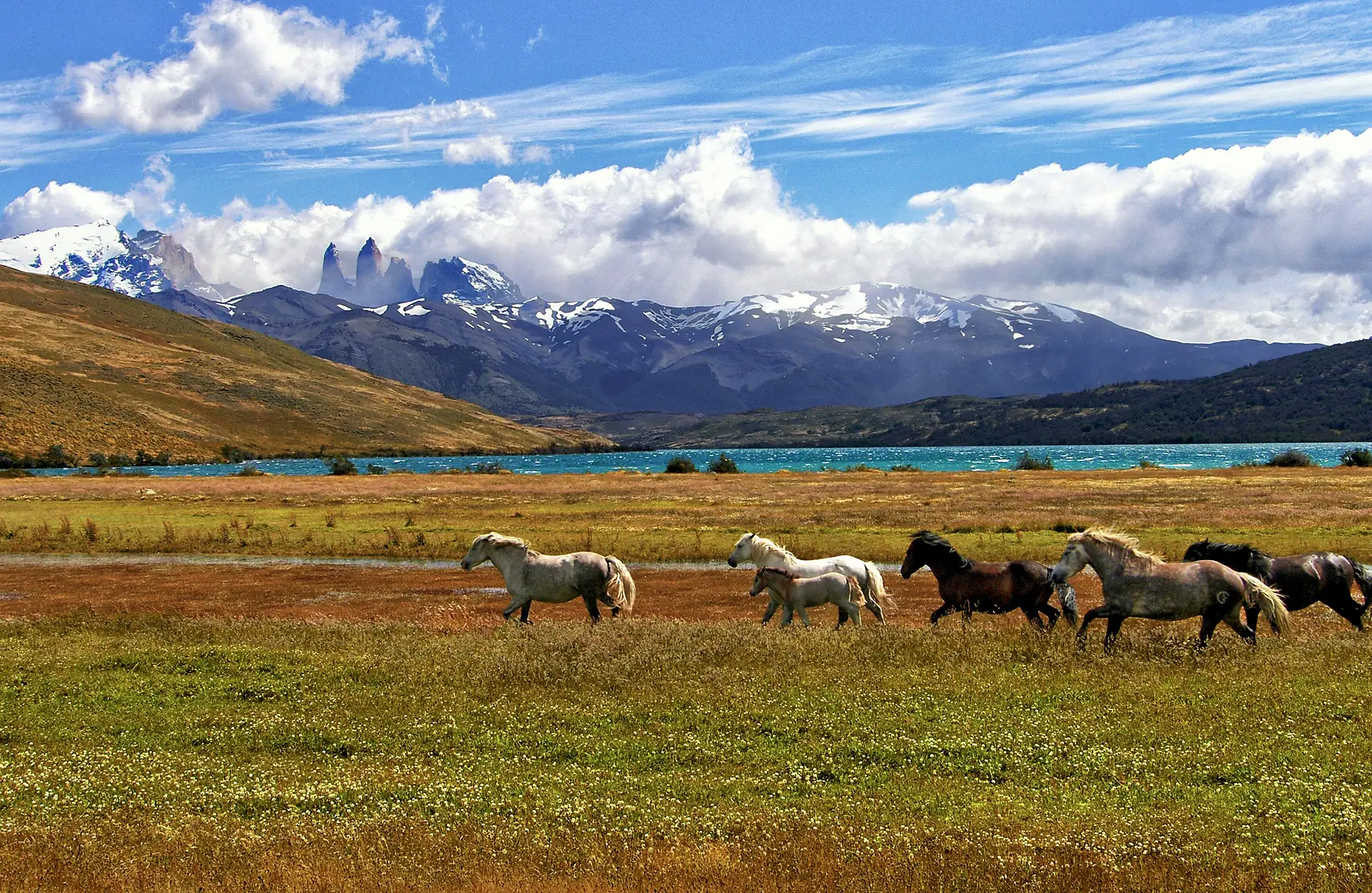
Hiking the W Trek in Winter (May – September)
While the official self-guided season ends in late April, it is possible to hike the W Trek in winter. However, the rules change completely.
- Mandatory Guide: You cannot legally hike the W Trek solo in winter. For the 2026 season, CONAF has mandated that a certified guide is required starting April 27 through August 31.
- Limited Access: Only a few refugios remain open, such as Refugio Grey and sometimes Refugio Central. You will likely stay in these hubs and do “out and back” hikes rather than a continuous traverse.
- The Reward: You will see the park in a way few others do. The granite peaks covered in snow, frozen lakes, and a silence that is impossible to find during the summer months.
Winter hiking requires specialized cold-weather gear and a much higher level of physical preparation. If the idea of a quiet, snow-covered park appeals to you, be prepared to book through a specialized adventure operator who can provide the necessary guide and logistics.
Related guides for your planning
To move from choosing your dates to building your actual trip, explore these essential resources:
FAQ
-
QUESTION: What is the best month to hike the W Trek for beginners?
-
ANSWER: Late November and early March are best for beginners as they offer a reliable balance of mild temperatures, manageable wind, and fully operational park services.
-
QUESTION: Can I do the W Trek in October?
-
ANSWER: Yes, the W Trek officially opens in October, offering quiet trails and lower prices, though you should be prepared for colder temperatures and potential snow at higher elevations like the Torres base.
-
QUESTION: Is the W Trek crowded in January?
-
ANSWER: January is the peak of the high season on the W Trek, meaning refugios are at 100% capacity and popular viewpoints like the Base de las Torres will have significant foot traffic.
-
QUESTION: Is March a good time for the W Trek?
-
ANSWER: March is widely considered one of the best months for the W Trek because the summer winds subside, the autumn colors begin to appear, and the weather remains relatively stable.
-
QUESTION: When do the W Trek refugios close for the season?
-
ANSWER: For the 2026/27 season, most refugios close by April 30, 2026, though some sectors like Cuernos and Serón close as early as March 30.
-
QUESTION: Is it too windy to do the W Trek in December?
-
ANSWER: December is one of the windiest months on the W Trek, with gusts frequently exceeding 60-80 km/h, requiring trekkers to use poles and high-quality windproof gear.