
What to Pack for Patagonia: 2026 Gear Strategy & Tips
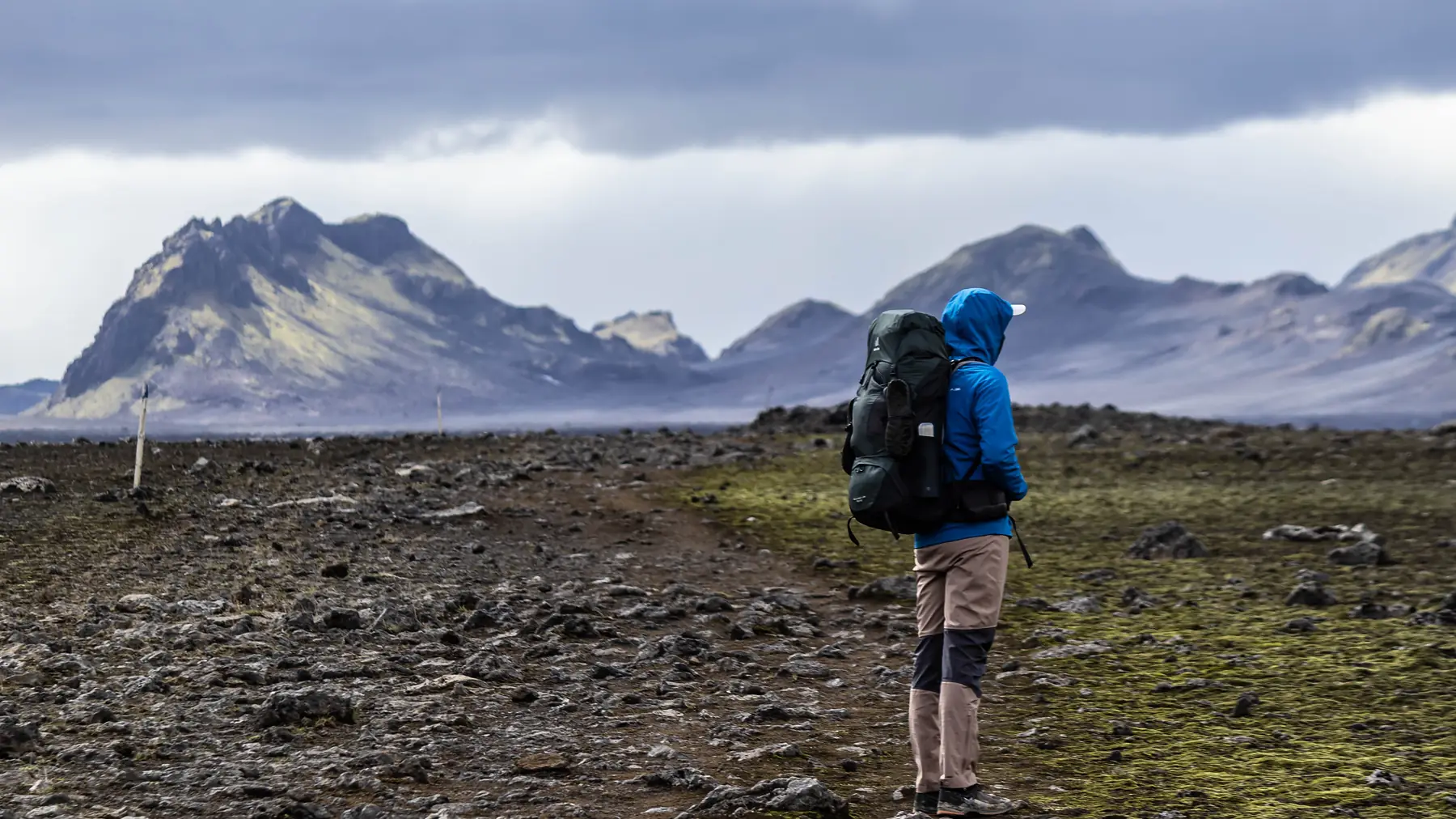
Packing for Patagonia is not about bringing the most gear: it is about bringing a modular layering system designed to handle 100 km/h winds and sudden temperature shifts. To stay comfortable in a region where you can experience four seasons in a single afternoon, you must prioritize windproofing, moisture management, and weight efficiency over bulk.
This guide provides the strategic framework for your general trip planning by explaining the environmental logic behind every item you carry. Rather than a simple checklist, we focus on the “why” behind technical gear choices so you can distinguish between essential survival items and unnecessary weight.
Patagonia Packing at a Glance
- Primary Goal: Wind protection and moisture management
- The System: Three-layer technical clothing strategy
- Key Investment: A high-quality, windproof hardshell jacket
- Footwear: Sturdy, waterproof hiking boots with ankle support
- Weight Target: Under 10kg (22lbs) for multi-day treks
- Sun Protection: High-SPF and polarized lenses are mandatory
The Patagonian Climate Reality Check
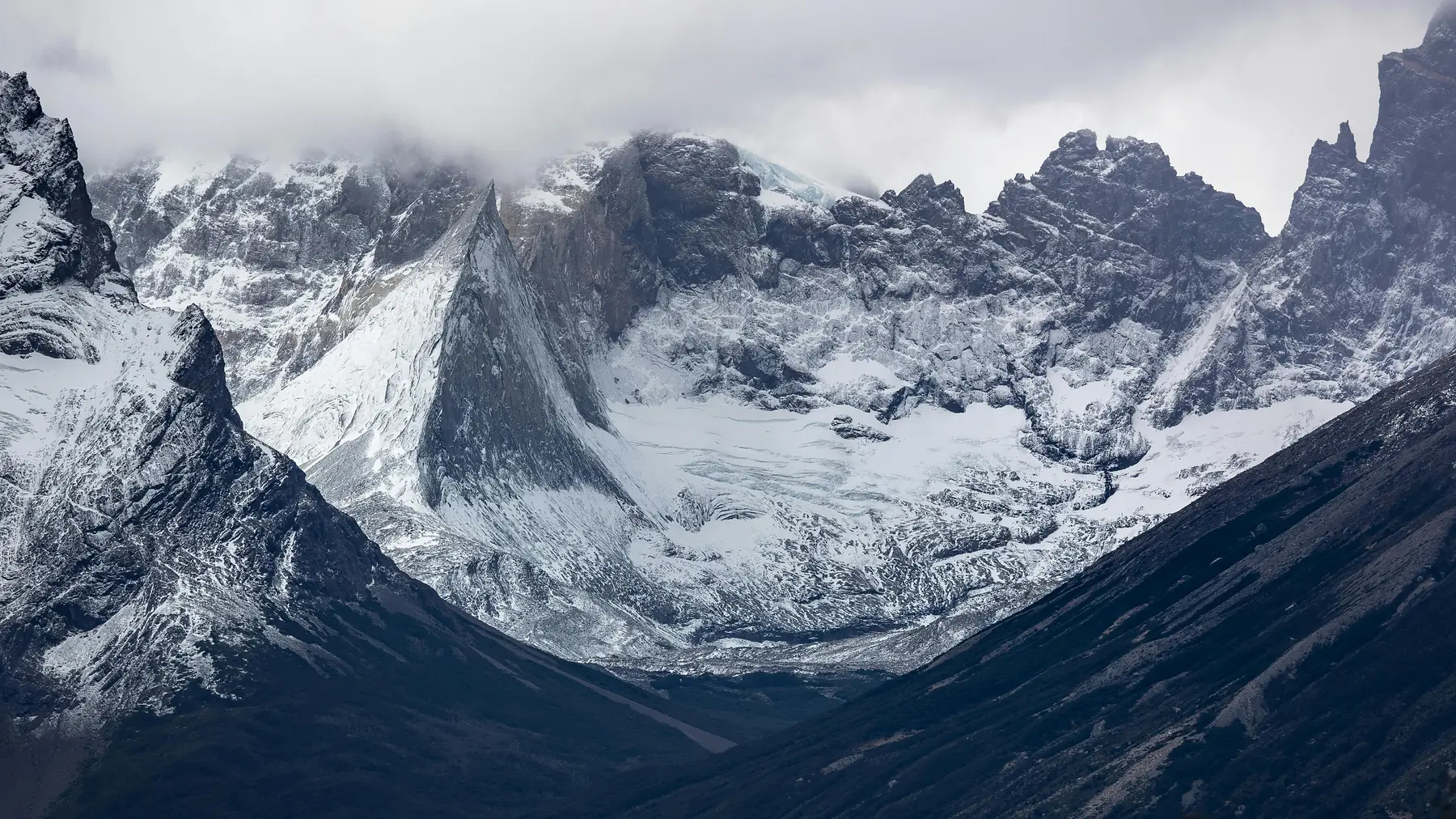
The defining characteristic of Patagonian weather is its volatility. You are packing for a landscape where the Southern Patagonian Ice Field creates its own microclimates, often clashing with warm air from the pampa to produce sudden, violent storms. Understanding how these forces interact is the first step in choosing your gear.
Wind is the most significant variable. In parks like Torres del Paine or Los Glaciares, sustained winds are common, but gusts during the summer months (December–March) regularly reach 100 km/h to 110 km/h. These speeds make traditional rain gear like ponchos or umbrellas completely useless. The wind does more than just blow: it strips heat from your body and drives rain through non-technical fabrics.
Beyond the wind, you must account for high UV intensity. While the Antarctic ozone hole has shown significant recovery as of 2025, it still occasionally extends over southern Patagonia during the spring and early summer. Combined with the region’s clean air and reflective glaciers, the sun is significantly stronger here than its latitude suggests. You can easily sustain a severe sunburn on a cloudy, 5°C day if you are not protected. This necessitates high-SPF lip balm and polarized sunglasses to protect your eyes from the glare of glaciers and granite.
Finally, consider the regional split. The western side of the Andes (Chilean Patagonia) is significantly wetter and more humid, requiring a greater focus on waterproof integrity. The eastern side (Argentine Patagonia) is generally drier and dustier, where wind protection and breathability become the higher priorities. You can learn more about these regional nuances in our guide to Patagonia weather.
The Golden Rule: The Three-Layer System
To manage your body temperature while hiking, you must use a three-layer system. This approach allows you to add or remove clothing instantly as the weather shifts or as your exertion level changes. Avoid cotton at all costs: it absorbs moisture, dries slowly, and can lead to hypothermia in cold, windy conditions.
1. The Base Layer (Wicking)
Your base layer sits against your skin. Its only job is to move sweat away from your body. Merino wool is the gold standard for Patagonia because it remains warm even when damp and is naturally odor-resistant, which is vital for multi-day treks. Synthetic polyesters are a viable alternative as they dry faster than wool, though they tend to retain odors more quickly.
2. The Mid Layer (Insulating)
The mid layer traps body heat. You need something that provides high loft but remains breathable. For most travelers, a combination of a mid-weight fleece and a “puffy” jacket is ideal.
- Warmth: Highly breathable, stays warm when wet, durable under pack straps (Fleece)
- Warmth: Superior warmth-to-weight ratio, highly packable, but loses insulating power if wet (Down)
- Wet Performance: Retains warmth when damp — reliable in Patagonian rain (Fleece)
- Wet Performance: Loses all insulation when wet; synthetic down is a good middle ground (Down)
- Best For: High-output hiking and active movement (Fleece)
- Best For: Cold evenings, rest stops, and camp time (Down)
Use Fleece while moving; save Down for camp or rest stops.
3. The Outer Layer (Shielding)
This is your most important investment. A high-quality hardshell jacket must be 100 percent windproof and highly waterproof. Look for jackets with “pit zips” (underarm ventilation) to allow sweat to escape without you having to take the jacket off in the wind. This layer is your primary defense against the elements. You can see our top recommendations in our best hardshell jackets guide.
For a complete inventory of what to bring, refer to our master packing checklist.
Footwear: The Foundation of Your Journey
Your choice of footwear will determine your comfort more than any other piece of gear. The terrain in Patagonia’s national parks is a mix of deep mud, loose scree (small rocks), and polished granite.
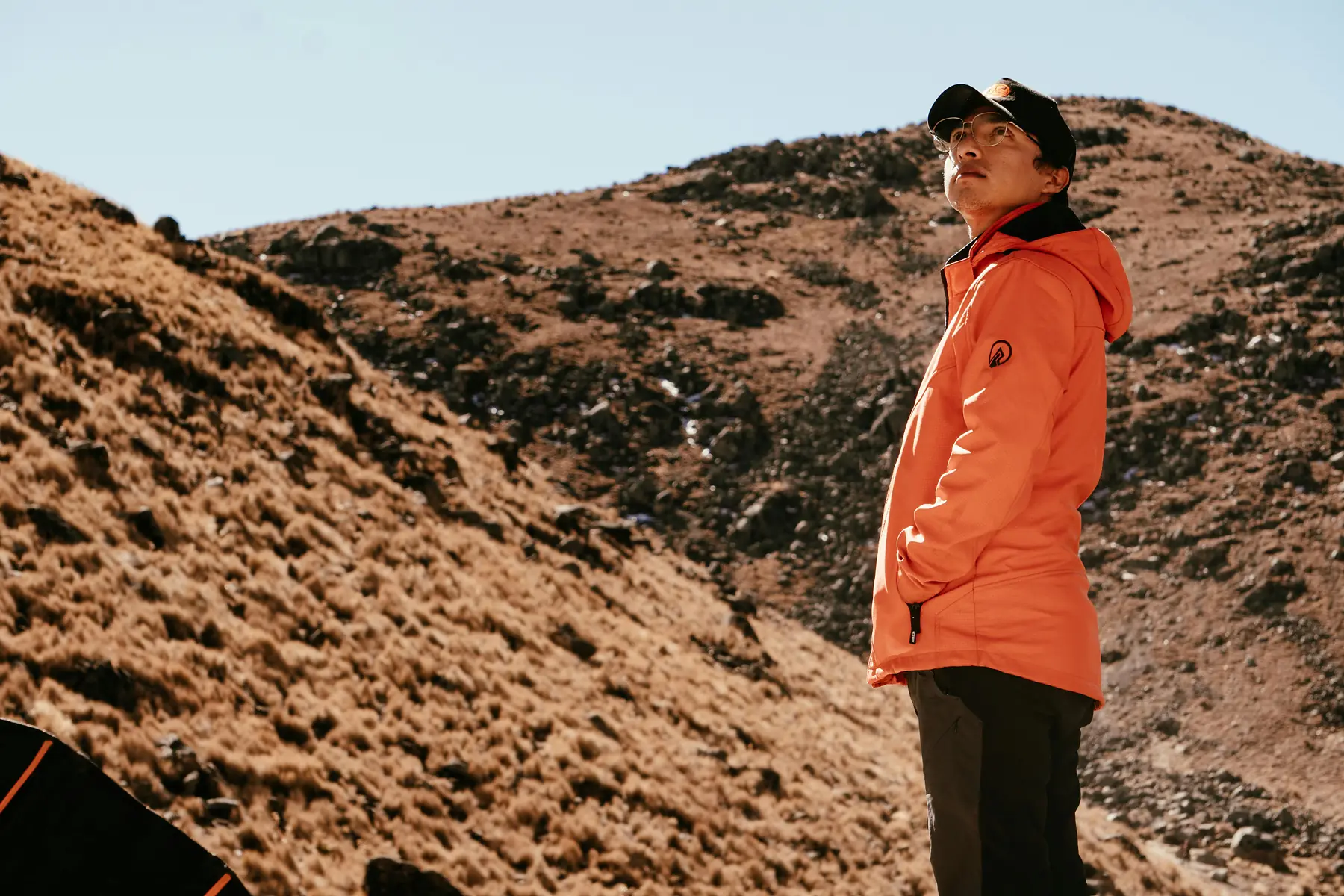
While trail runners have become popular for ultralight hikers, most travelers are better served by mid-to-high-top waterproof hiking boots. The added ankle support is crucial when navigating the steep, unstable scree slopes leading to the Base of the Towers or the Fitz Roy viewpoint. Additionally, boots provide a better barrier against the deep mud often found on the W Trek and O Circuit.
Socks are the unsung heroes of this system. Use a “liner sock” made of thin synthetic material under a thicker Merino wool trekking sock. This setup reduces friction between your foot and the boot, significantly lowering the chance of blisters. Finally, always pack a pair of lightweight “camp shoes” like Crocs or sandals. Your feet need to breathe and recover after eight hours in heavy boots.
For a deeper dive into specific models, check our guide to the best hiking boots for Patagonia.
Weatherproofing: Protecting Your Gear from the Elements
It is a common mistake to assume a waterproof backpack or a rain cover is enough to keep your gear dry. In Patagonia, the wind often blows rain sideways or even upwards, getting underneath pack covers. Furthermore, a pack cover can act like a parachute in 80 km/h gusts, potentially pulling you off balance on exposed ridges.
The most effective strategy is the “Dry Bag Strategy.” Instead of relying on the pack’s exterior, organize your clothing, sleeping bag, and electronics into individual, waterproof dry bags inside your pack. This modular approach ensures that even if your backpack becomes saturated, your essential gear remains dry.
Electronics require special care. Cold temperatures can cause lithium-ion batteries to lose 20% to 40% of their effective capacity when temperatures drop toward 0°C. Keep your phone and power banks in an internal pocket close to your body heat during the day, and store them inside your sleeping bag at night. If you are curious about charging logistics, read our guide on electricity and adapters.
Weight vs. Comfort: The Packing Trade-off
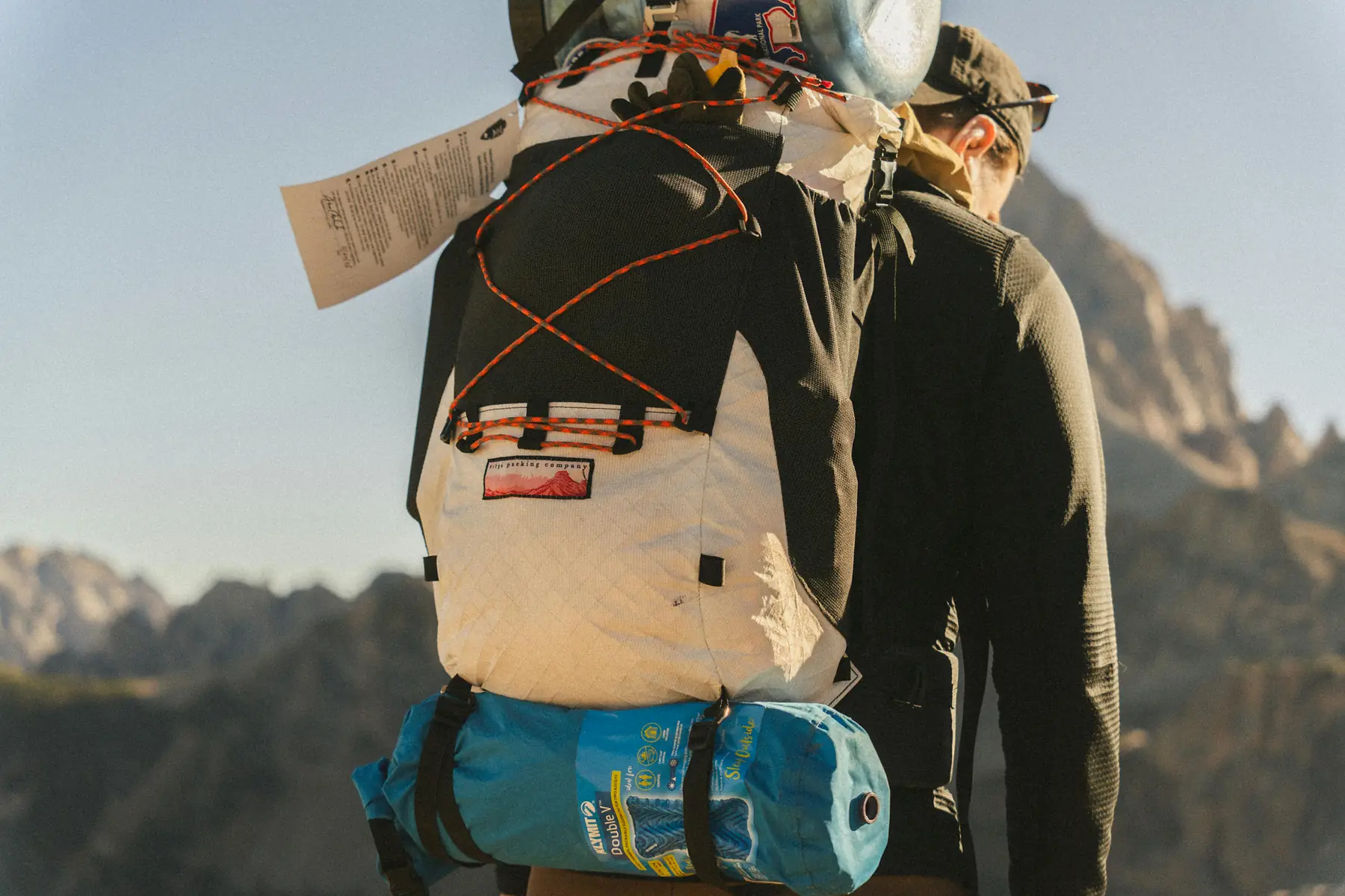
Overpacking is the most frequent error made by first-time visitors. If you are carrying your own gear on the W Trek or O Circuit, every gram matters. A pack exceeding 10kg to 12kg (22-26lbs) will significantly increase fatigue and the risk of knee or ankle strain on steep descents.
To keep weight down, consider your rental options. You do not need to fly across the world with a heavy tent, stove, or trekking poles. High-quality technical gear is available for rent in hubs like Puerto Natales and El Chaltén. This not only saves your back on the trail but also helps you avoid excess baggage fees on domestic flights.
For the 2025/2026 season, be aware that “Basic” or “Light” fares on regional carriers like LATAM and Sky Airline typically do not include any checked baggage. Standard checked bags are capped at 23kg (50lbs) for higher-tier fares, while carry-on limits are strictly enforced at 10kg (22lbs).
If you prefer not to carry a heavy load, many treks offer porter services or “full-board” refugio stays where bedding and food are provided. This allows you to hike with only a daypack, fundamentally changing your packing requirements. You can explore these options in our guide to renting gear in Puerto Natales.
Common Packing Mistakes to Avoid
Even experienced hikers often get caught out by Patagonia’s specific demands. Avoid these common pitfalls to ensure your gear supports your journey rather than hindering it:
- The Poncho Trap: Never bring a plastic poncho. The wind will shred it or wrap it around your face, leaving you wet and frustrated.
- Overestimating “Town Clothes”: You will spend 90 percent of your time in trekking gear. One clean, lightweight outfit for dinner in town is plenty.
- Neglecting Sun Care: Forgetting SPF lip balm is a painful mistake. The wind dries your lips while the UV burns them.
- Cotton Underwear: Just like cotton socks, cotton underwear traps moisture and causes chafing. Stick to synthetic or Merino blends.
- Excess Food: You can buy high-quality, lightweight trekking snacks locally. Don’t waste precious luggage space on kilos of trail mix from home.
For more on staying healthy and prepared, see our health and first aid essentials guide.
Sustainability: Packing with the Environment in Mind
Patagonia’s ecosystems are pristine but fragile. As a visitor, your packing choices should reflect a commitment to Leave No Trace principles.
One of the greatest joys of Patagonia is the water. In most national parks, the backcountry streams are fed by glacial melt and are generally safe to drink. However, for the 2026 season, it is recommended to use a lightweight filter (like a Sawyer Squeeze or Katadyn BeFree) if collecting water downstream from established campsites or in high-traffic areas of Torres del Paine to avoid risks like Giardia. In the more remote sections of Los Glaciares, water remains exceptionally pristine.
Choose biodegradable toiletries and concentrated soaps if you plan on washing at campsites. Even “biodegradable” products should never be used directly in a stream: always carry water at least 60 meters away from the source before using soap.
Next Steps: Choosing Your Specific Checklist
Now that you understand the strategy, it is time to look at the specific requirements for your chosen route. A luxury lodge stay in Tierra del Fuego requires a different kit than a 10-day self-supported trek on the O Circuit.
To find the exact inventory for your trip, explore our specialized guides:
FAQ
Do I really need waterproof trousers for Patagonia? Yes, but not just for rain; they are essential wind-blockers that prevent the wind from stripping heat from your legs during long treks. Even on dry days, a lightweight pair of windproof trousers can make a significant difference in comfort on exposed ridges.
Can I wear trail runners for the W Trek in Torres del Paine? Goretex trail runners or low hiking shoes are just as suitable as boots for the W Trek — it comes down to personal preference. The key requirement is Goretex waterproofing: there are several stream crossings that can hit mid-shoe, plus boggy sections in poor weather. Choose whichever you are most comfortable hiking in.
Is the tap water in Patagonia safe to drink? Yes, tap water in Patagonian towns like Puerto Natales and El Chaltén is safe, and most backcountry streams in the national parks are pristine enough to drink from. However, always ensure you are upstream from any campsites or livestock before dipping your bottle.
Do I need a heavy down jacket for a Patagonia summer? You don’t need a heavy parka, but a lightweight “puffy” synthetic or down jacket is essential for cold evenings at camp and sudden temperature drops on the trail. Temperatures often hover near freezing once the sun goes down, even in January.
What is the most important item to pack for Patagonia? A high-quality, windproof hardshell jacket is the most critical item, as it serves as your primary defense against the region’s relentless and unpredictable winds. Without a solid outer layer, your insulating layers will lose their effectiveness almost immediately in a gust.
Should I bring a sleeping bag to Patagonia if I’m staying in refugios? If you have booked a “made-up bed” in a Patagonia refugio, you don’t need a sleeping bag, but a lightweight silk liner is recommended for hygiene and extra warmth. If you have only booked a “simple bed,” you will need to bring your own sleeping bag.