
Where to Stay in Torres del Paine: 2026 Location Guide
Choosing where to stay in Torres del Paine is the single most important logistical decision you will make, as your base determines which trails you can reach and how much of your day is spent in a vehicle. For most travelers, the best strategy is to stay inside the park boundaries to maximize hiking time, though Puerto Natales remains the primary choice for budget-conscious hikers and those seeking flexibility.
This guide provides a strategic framework for selecting your base based on trail access, transportation, and budget. It is a sub-guide of our comprehensive Torres del Paine resource and works alongside our overview of accommodation types to help you filter your options before booking.
The Big Decision: Inside the Park vs. Puerto Natales
The primary choice every traveler faces is whether to pay a premium to stay inside the park or save money by basing themselves in the gateway town of Puerto Natales. This is essentially a trade-off between time and money. Staying inside grants you immediate access to trailheads and the ability to see the granite peaks at sunrise, while staying in town offers better dining and significantly lower nightly rates at the cost of a long daily commute.
- Trail Access: Immediate to 30 mins; 2 hours each way (4 hours total)
- Cost (2026/27): High ($120 - $1,500+ USD); Budget to Mid-range ($40 - $300 USD)
- Booking Window: 6 - 12 months in advance; 1 - 4 months in advance
- Dining: Limited to hotel/refugio; Dozens of restaurants and bars
Stay inside the park if your budget allows; the four-hour daily commute from Puerto Natales quickly becomes the most exhausting part of the trip.
If you are planning to hike the W Trek, you will almost certainly stay inside the park in a sequence of trail-side refugios. However, for day hikers, the choice is more nuanced. To help visualize these distances, refer to our Torres del Paine logistics map.
Staying Inside the Park: The Three Main Hubs
Lodging inside the park is clustered into three distinct sectors. Each serves as a gateway to different landmarks, and choosing the wrong one can result in hours of unnecessary driving on bumpy gravel roads.
Las Torres / Central Sector
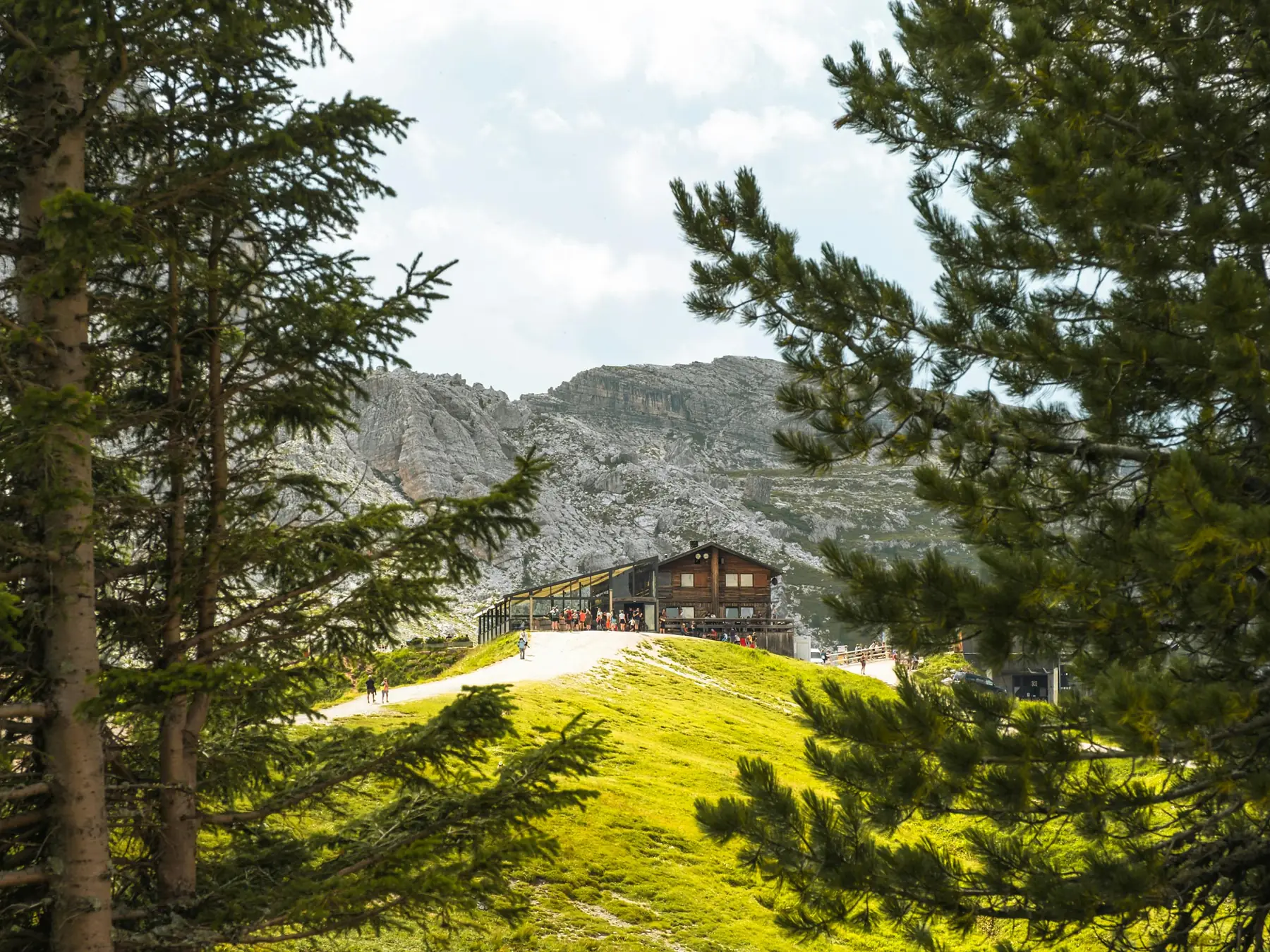
This is the busiest area of the park and serves as the primary gateway for the Mirador Las Torres hike. It is the best place to stay for your first two nights if your goal is to see the famous towers. This sector contains a mix of high-end lodging like Hotel Las Torres, as well as more functional refugios and campsites (Central and Chileno).
Lake Pehoé / Pudeto Sector
Located in the heart of the park, this sector offers the most iconic views of the Los Cuernos peaks across turquoise water. It is the strategic choice for those wanting to hike the French Valley, as the catamaran to the trailhead departs from the Pudeto jetty. The primary lodges here are Explora Patagonia and Hosteria Pehoé; while Explora offers an all-inclusive luxury experience, Hosteria Pehoé provides a more accessible mid-range option on its own island.
Grey Sector
Situated at the western end of the park road, the Grey sector is the base for glacier-focused activities. If you are interested in ice trekking or taking a boat to the face of the Grey Glacier, this is where you should stay. Hotel Lago Grey is the anchor property here, offering a more secluded atmosphere than the Central sector.
The Rio Serrano Sector: The “Just Outside” Alternative
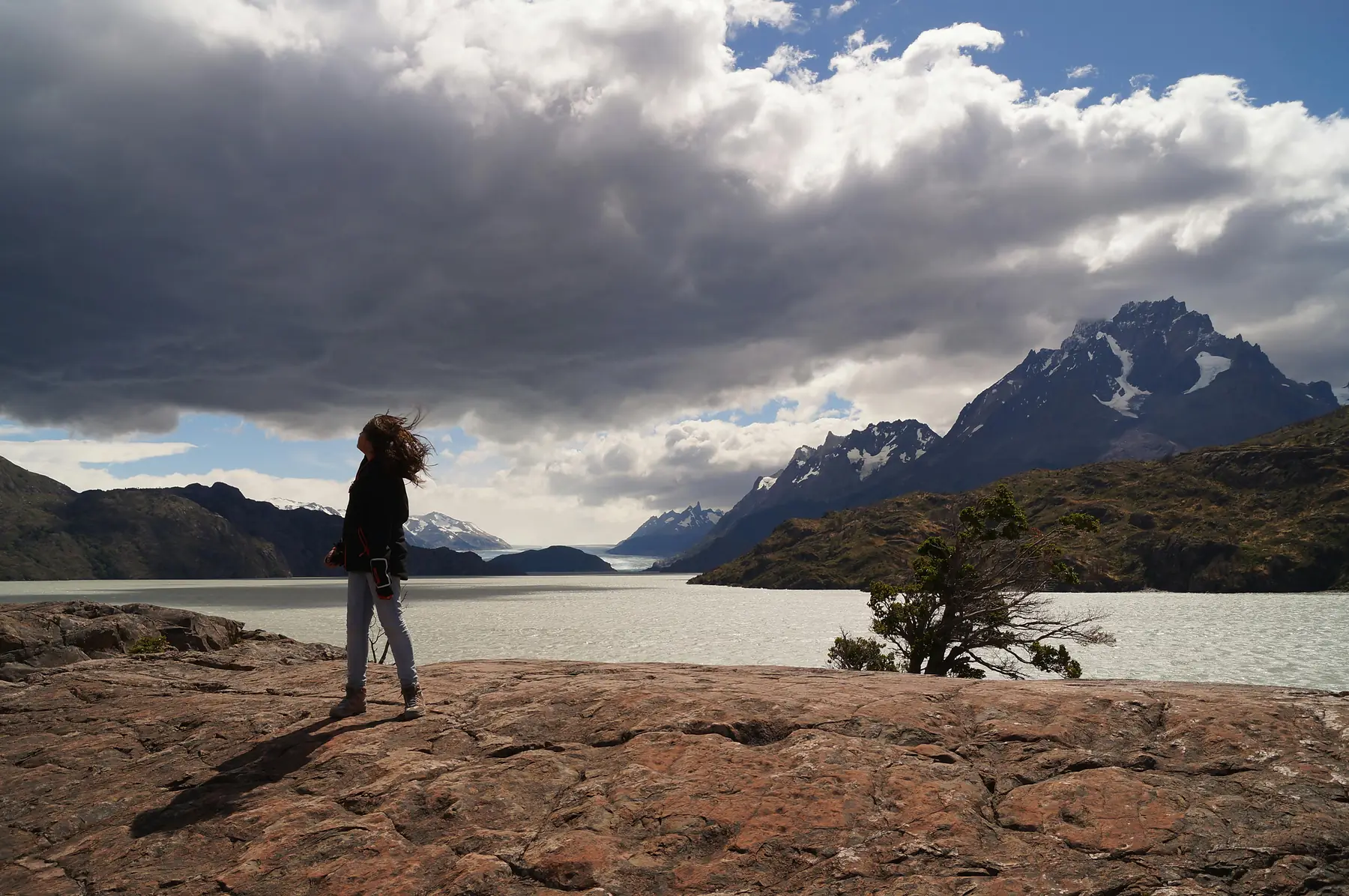
Rio Serrano is a small “hotel village” located just across the park’s southern boundary. While technically outside the national park, it sits right at the Rio Serrano entrance gate and offers some of the most dramatic, unobstructed views of the entire Paine Massif.
This sector has become a major hub for luxury and mid-range travelers who want hotel-style amenities that park refugios cannot provide. You will find professional spas, expansive dining rooms, and stable Wi-Fi—luxuries that are rare inside the park boundaries.
The main trade-off for Rio Serrano is that you are not “on the trail.” To reach the Base Torres trailhead or the Pudeto catamaran, you will need to drive 45 to 60 minutes each way. This sector is ideal for those who prioritize comfort and have their own transportation. For a list of the top-tier lodges in this area, see our guide to luxury hotels in Torres del Paine.
Staying in Puerto Natales: The Strategic Budget Hub
Puerto Natales is the logistical heart of Chilean Patagonia. While it is located approximately 80 to 115 kilometers from the various park entrances, it remains the most popular base for travelers on a budget or those who prefer the amenities of a real town.
The primary advantage of Natales is the infrastructure. You can find large supermarkets for trail snacks, specialized gear rental shops for trekking poles and sleeping bags, and a vibrant craft beer and dining scene. It is also the best place for last-minute bookings, as the town has a much higher bed capacity than the park.
If you decide that the cost savings are worth the commute, explore our guide to arriving in Puerto Natales to plan your transport.
Where to Stay for Specific Hiking Goals
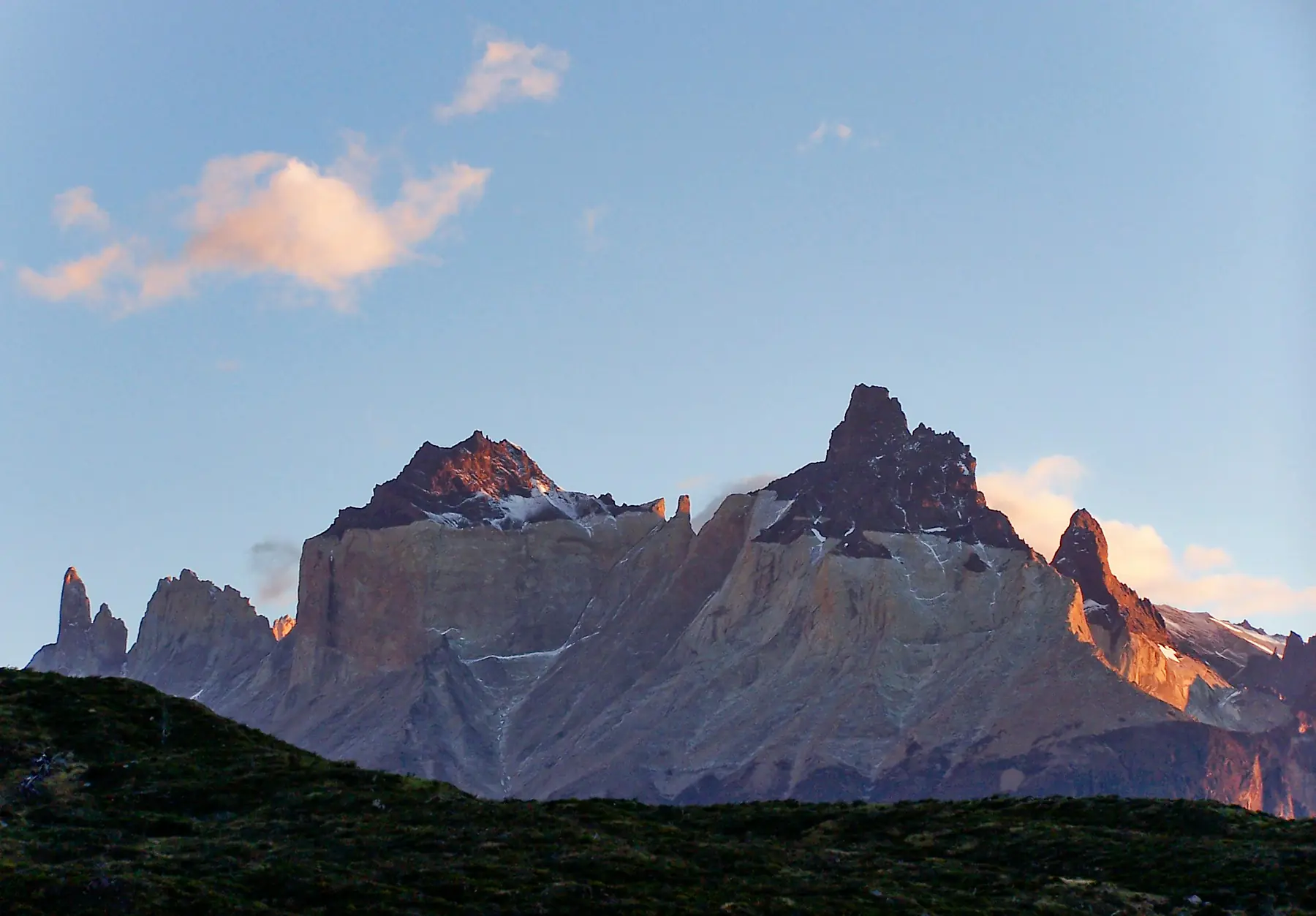
Your hiking itinerary should dictate your accommodation, not the other way around. Because the park is so large, staying in the wrong sector can add two hours of driving to your day.
- For the Base Torres Hike: Stay in the Central Sector. You can walk from your room or campsite directly onto the trail, saving you the 1.5-hour drive from other parts of the park.
- For the French Valley: Stay near Lake Pehoé. This puts you at the Pudeto jetty for the first catamaran of the morning, which is essential for completing the French Valley as a day hike.
- For the W Trek: You must stay in a sequence of Refugios. This is a “moving” strategy where you sleep at a different site each night. For booking details, see our W Trek refugio guide.
- For Wildlife and Pumas: Stay on the Eastern Side near Laguna Amarga or Sarmiento. This area of the park has higher concentrations of guanacos, which in turn attracts pumas. Staying in the western Grey sector for pumas is a strategic mistake.
Logistics: How Your Base Dictates Your Entry
Your choice of stay determines which park entrance you will use. If you are staying in the Central Sector, you will enter via Laguna Amarga. If you are staying in Rio Serrano or the Grey Sector, the Rio Serrano entrance is more efficient.
Logistical Essentials
- Gas Stations: There are NO gas stations inside the park or in Rio Serrano. The last fuel is in Puerto Natales or Cerro Castillo.
- Park Entrances: You must have your QR code ticket (purchased via PasesParques.cl) downloaded before arrival; Wi-Fi at the gates is unreliable.
- Shuttles: A private shuttle runs between the Laguna Amarga entrance and the Central Sector Welcome Center to meet the public buses.
It is vital to coordinate your park entry with your lodging location. Driving between the Rio Serrano entrance and the Laguna Amarga entrance takes about 60 to 90 minutes on winding gravel roads. For more on navigating these routes, see our transportation and shuttle guide.
Booking Windows and Seasonality
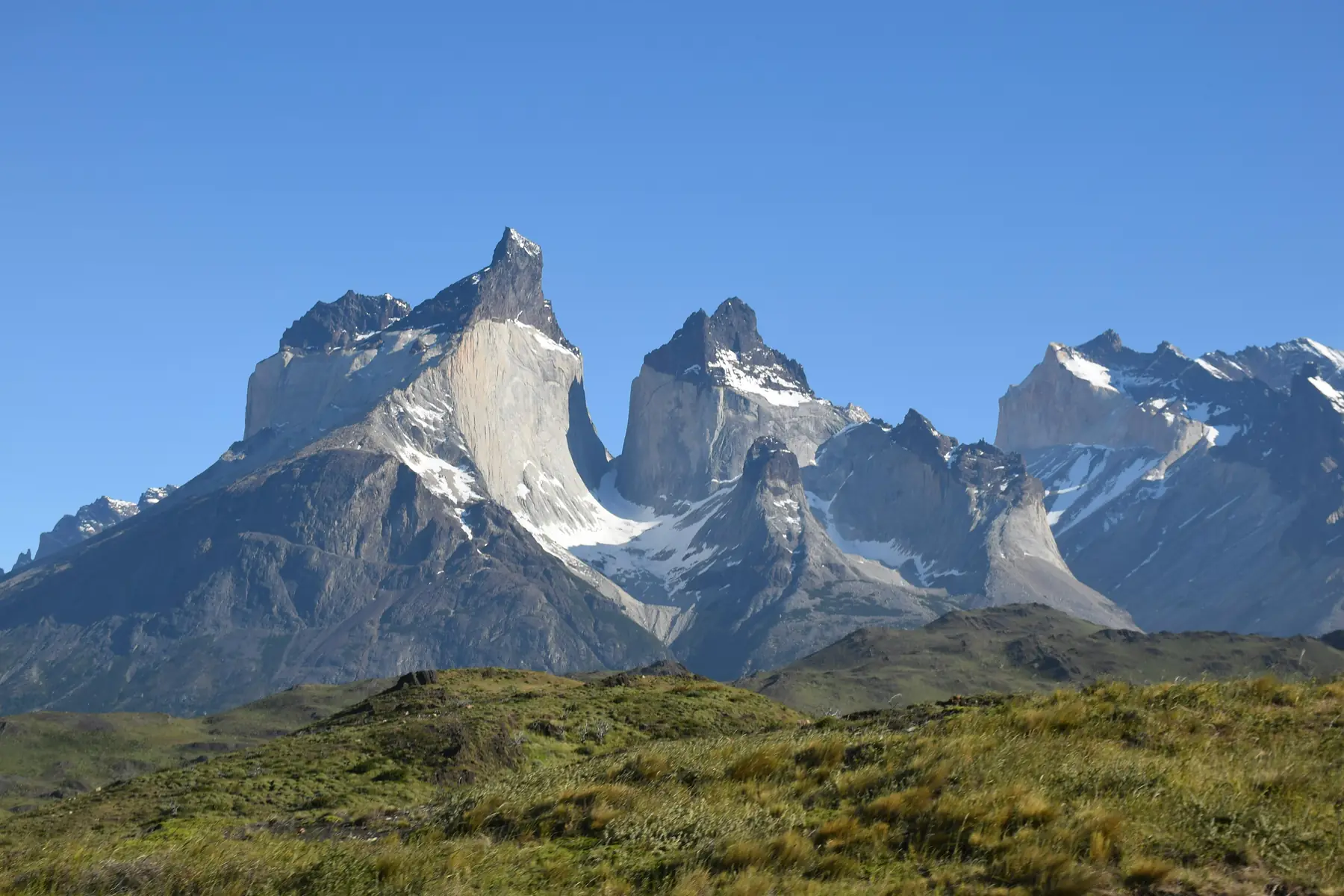
Torres del Paine operates on a strict seasonal clock. Because the “Inside” bed capacity is so low, the best properties sell out within weeks of booking windows opening.
- High Season (December - February): You must book as soon as operator windows open (typically March–June) for park refugios. Puerto Natales has more capacity but still fills up 2 to 3 months out.
- Shoulder Season (October, November, March, April): More flexibility is available, but the best-located refugios still require 4 months’ notice.
- Winter (May - September): Most lodges inside the park, including Hotel Las Torres and the majority of refugios, close for the season (typically from May 1st to September 30th). Only a few hotels in Rio Serrano and Puerto Natales remain open year-round.
If you are planning a trip for the 2026/27 season, start monitoring the booking platforms for Vertice and Las Torres Patagonia (the two main refugio operators) from March 2026 to catch the opening dates.
Related guides to help you choose
If you have decided on a location but need to pick a specific property, these resources will help you narrow down the field:
FAQ
Is it better to stay in Puerto Natales or inside Torres del Paine? Staying inside is better for maximizing hiking time and experiencing sunrises, while Puerto Natales is better for budget-conscious travelers who want dining variety and don’t mind a 4-hour daily commute.
What is the best area to stay in Torres del Paine for the W Trek? The W Trek requires staying in a sequence of refugios or campsites along the trail, specifically in the Central, Cuernos/Frances, and Paine Grande sectors.
Can you stay in Torres del Paine without booking in advance? During the 2026/27 high season, staying inside the park without a reservation is nearly impossible; Puerto Natales offers more last-minute availability but still fills up quickly in January and February.
Are there luxury hotels inside Torres del Paine National Park? Yes, there are several high-end luxury lodges inside the park, such as Explora Patagonia and Hotel Lago Grey, which offer all-inclusive packages and guided excursions.
Where is the best place to stay in Torres del Paine to see the granite towers? The Central Sector (Las Torres Patagonia area) is the best place to stay, as it sits at the trailhead for the Mirador Base Torres hike.
Do I need a car if I stay in the Rio Serrano area of Torres del Paine? While some hotels offer shuttles, having a rental car is highly recommended for Rio Serrano stays to provide flexibility in reaching different park entrances and trailheads.