W Trek: Refugios vs. Camping (2026 Comparison Guide)
Choosing between refugios and camping on the W Trek is a choice between physical comfort and financial savings. For hikers who prioritize sleep quality and a light pack, refugios are the clear winner, while those on a budget or seeking total immersion in nature will find camping more rewarding.
This decision is the single most important factor in your W Trek planning because it dictates how much weight you will carry through the French Valley and up to the Base Torres. Whether you are sleeping in a shared dorm or a tent on a wooden platform, your choice will shape your physical experience of the trail.
At a Glance: Refugios vs. Camping
- Refugios: Communal dorms (2–8 beds), full bedding provided, indoor bathrooms, 5–7kg pack.
- Serviced Camping: Pre-pitched tents, sleeping bags and mats included, shared facilities, 7–9kg pack.
- DIY Camping: You provide all gear, pitch-only fee, shared facilities, 12–15kg+ pack.
- Booking: Reservations open in staggered windows between March and June; book as soon as each operator’s window opens for peak dates.
- Price Gap: DIY camping is typically 60–70% cheaper than staying in refugios.
The Three Tiers of W Trek Accommodation
Understanding the terminology is the first step in planning your stay. The W Trek is managed by two private operators, Las Torres and Vértice, along with one limited site managed by the park authority, CONAF (Campamento Italiano). Unlike the O Circuit, where camping is the only option on the back side of the mountain, the W Trek offers a full spectrum of comfort.
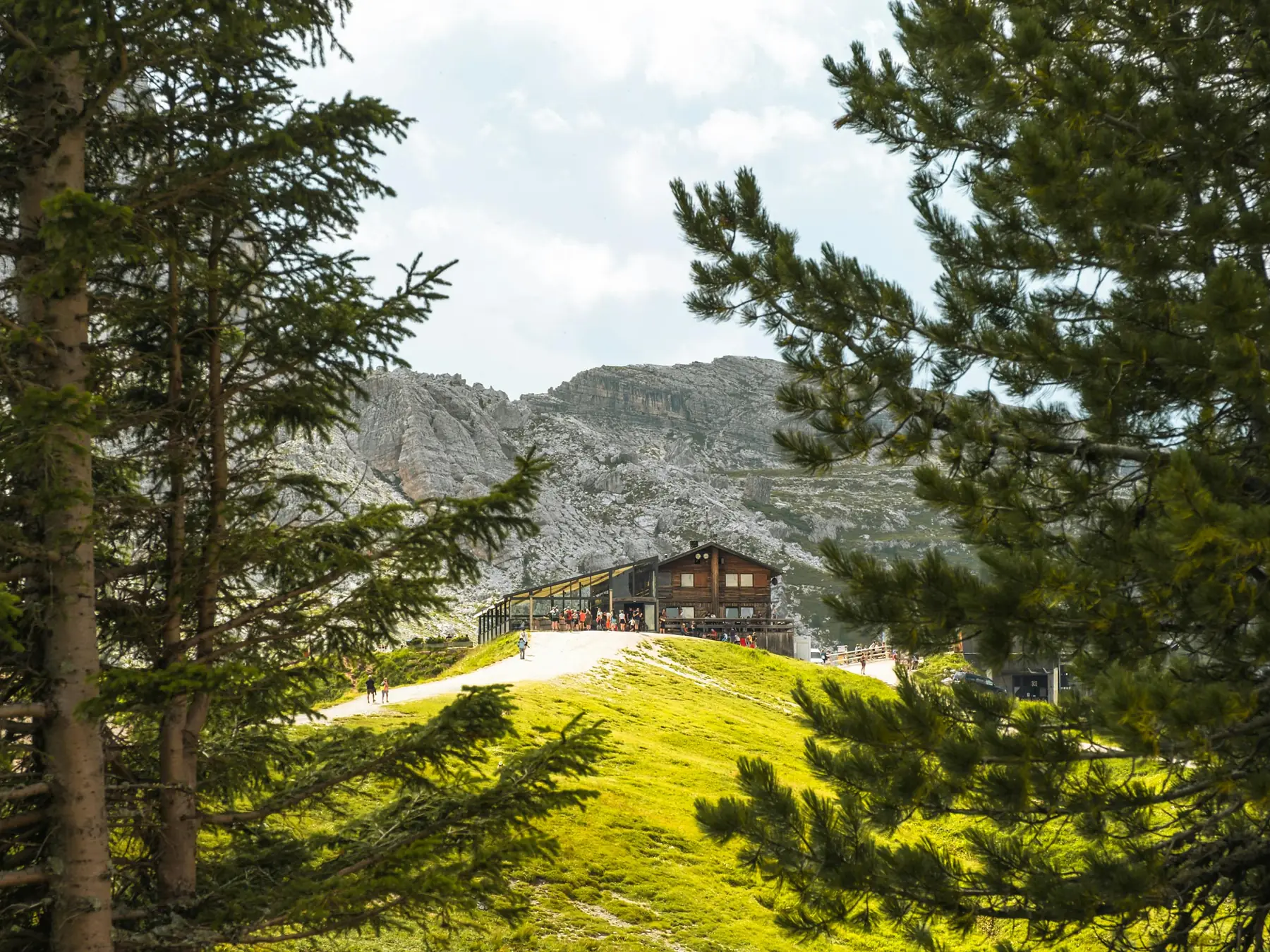
Refugios are mountain hostels. You will stay in bunk-style dorms, typically sleeping between 2 and 8 people per room depending on the specific lodge. These lodges provide full bedding (sheets and duvets), meaning you do not need to carry a sleeping bag or liner. They are heated, social, and offer the most protection from Patagonia’s notorious weather.
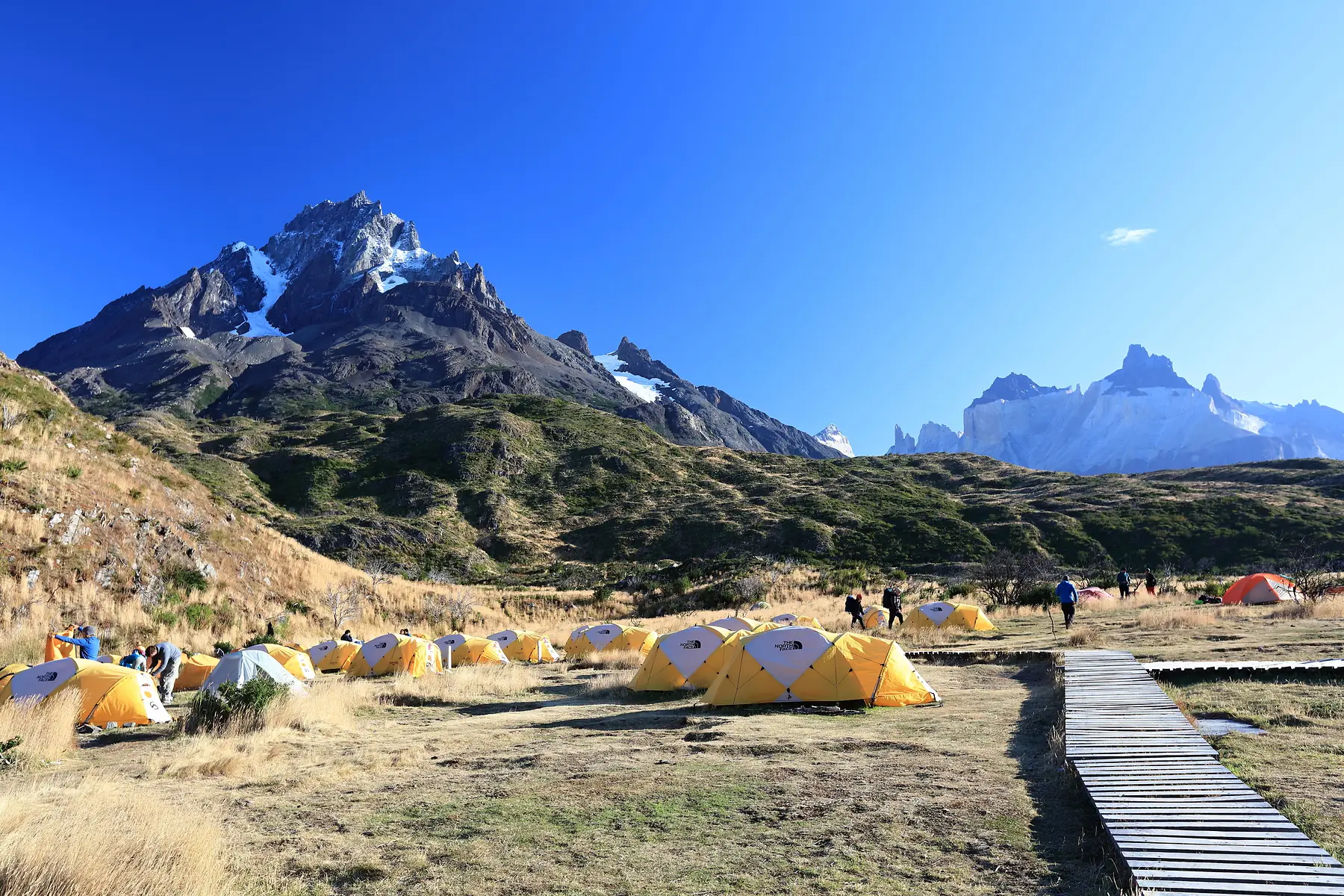
Serviced or Premium Camping is the middle ground. The operators pitch a high-quality tent for you, often on a raised wooden platform to keep you off the damp ground. This option includes a foam mat and a professional-grade sleeping bag. It is an excellent choice if you want the camping atmosphere without the burden of carrying heavy gear.
DIY Camping is the traditional backpacking experience. You pay only for the “pitch” (the space for your tent). You are responsible for carrying your own tent, sleeping bag, and sleeping mat. While this is the most affordable way to see the park, it requires a significantly higher level of physical fitness due to the weight of your equipment.
To explore the specific amenities and locations of each site, see our W Trek Refugio Directory or our comprehensive guide to W Trek camping.
Cost Comparison: 2026/27 Price Breakdown
The price difference between these options is substantial. While camping allows for a budget-friendly trek, refugio stays are priced similarly to mid-range hotels in major cities, reflecting the high cost of logistics in remote mountain locations.
For the 2026/27 season, a night in a refugio dorm ranges from USD 66 (Vertice single bed with mattress cover, pillow, and pillowcase) to USD 230 (Las Torres single bed in a shared room) for the bed alone. A fully equipped bunk at Vertice (with sheets, pillow cover, and blanket) is USD 114. Adding a full-board meal plan (dinner, breakfast, and box lunch) costs USD 110/day at Vertice or USD 140/day at Las Torres.
- Nightly Cost: USD 176–370 (bed + full board) vs. USD 13–90 (campsite only)
- Pack Weight: 5 - 7kg vs. 12 - 15kg+
- Meal Prep: Included vs. You cook in shelters
- Sleep Quality: Real mattress vs. Foam mat
Camping saves significantly over a 4–5 day trek. A full DIY camper at Vertice spends ~USD 13/night on a pitch plus their own food, while a Las Torres refugio with full board runs USD 370/night.
Hidden costs often catch hikers off guard. If you stay in a refugio, you are unlikely to carry a heavy stove and fuel, which essentially mandates purchasing the expensive meal plans. Campers, conversely, have access to shared cooking shelters where they can prepare their own dehydrated meals, significantly lowering the total trip cost.
Comfort and Sleep Quality: Dorms vs. Tents
The trade-off for the high cost of a refugio is a guaranteed good night’s sleep. Patagonia is famous for winds that can exceed 80 km/h, which can make a night in a tent feel like sleeping inside a drum. In a refugio, you have solid walls, heating, and a real mattress.
However, refugios come with the standard hostel drawbacks: snoring bunkmates, early morning rustling as people pack their bags, and a lack of personal privacy. If you are a light sleeper, a private tent (even with the wind) might actually provide a more restful night than a dorm room with several strangers.
The “Francés” factor is also worth considering. At certain sites like Campamento Francés, the camping platforms are located a significant walking distance from the main lodge and bathrooms. If you need to use the facilities in the middle of a rainy night, the refugio guests have a much easier time than the campers.
Pack Weight: The Physical Toll of Your Choice
This is the most critical variable for your trekking experience. The weight on your back directly correlates to the strain on your knees and your overall speed on the trail.
A hiker staying in refugios or using serviced camping only needs to carry clothes, water, and personal items. This results in a “light pack” of roughly 5–8kg. A DIY camper, however, must carry a 4-season tent, a warm sleeping bag, a mat, a stove, fuel, and all their food.
Carrying an extra 8kg over 70+ kilometres of steep, rocky terrain is a massive physical undertaking. If you have a history of knee or back issues, or if you are not an experienced backpacker used to heavy loads, the higher cost of a refugio should be viewed as an investment in your physical safety and enjoyment of the trek. For more on how to manage these loads, consult our W Trek packing list.
Facilities: Showers, Charging, and WiFi
Regardless of where you sleep, you will generally have access to the same communal facilities, though the ease of access varies.
- Showers: Hot water is available at almost all sites for both campers and refugio guests. However, hot water is often a finite resource. If you arrive late after a long day of hiking, you may find the supply has run out.
- Charging: This is the primary struggle for campers. Power outlets are usually located in the refugio common areas or dining halls. They are in high demand and often crowded. Refugio guests sometimes have better access, but it is never guaranteed in the rooms.
- WiFi: Connectivity in Torres del Paine is provided by external satellite services (like Wifispot). You can purchase time-limited passes, but the speeds are barely enough for basic messaging. Do not expect to upload high-resolution videos or join a Zoom call.
The CONAF booking system and operator websites are notoriously finicky. For the 2026 season, keep a digital copy of your passport and all booking confirmations on your phone, as you will need to show them at every single ranger station and refugio check-in.
Social Experience and Dining
The social atmosphere of the W Trek is one of its highlights. The refugio dining halls are the heart of the park, where hikers from every corner of the globe gather to share stories over a meal or a Calafate Sour. If you book a meal plan, you will be seated at communal tables, making it incredibly easy to meet people.
Campers have a different, more rugged social scene. The cooking shelters are where the budget-conscious and the DIY experts congregate. It is a more “outdoorsy” vibe, focused on gear talk and trail tips.
Even if you are camping and cooking your own food, you are always welcome in the refugio bars and shops. You can still enjoy the social buzz of the lodge with a beer in hand before retreating to the quiet of your tent.
The Availability Factor: Why You Might Not Have a Choice
For many travellers, the “refugio vs. camping” debate is settled by the calendar rather than the budget. Refugios are the most popular accommodation and sell out quickly when the booking window opens.
For the 2026/27 season, Las Torres started accepting reservations in March 2026, with Vertice following on a staggered schedule. If you are planning to hike during the peak months of December, January, or February, book as soon as each operator’s window opens.
If you are planning a last-minute trip (less than four months in advance), you will likely find that refugio beds are entirely gone. In this scenario, camping becomes your fallback. The park operators have more tent spaces than dorm beds, so camping availability typically lasts longer into the season.
Verdict: Which Should You Choose?
Your choice should align with your experience level and your goals for the trip.
Choose Refugios if:
- You have a higher budget and prefer comfort.
- You want to hike with a very light pack (5–7kg).
- You are worried about the cold or sleeping in high winds.
- You enjoy the social atmosphere of a lodge.
Choose Camping if:
- You are on a strict budget.
- You want the privacy of your own tent.
- You are an experienced backpacker who enjoys self-sufficiency.
- You want a more immersive “wilderness” experience.
The Hybrid Strategy You do not have to choose just one. Many hikers opt for a hybrid approach to balance cost and comfort. For example, you might book a refugio at the start and end of the trek (at Paine Grande and Central) to ensure a good sleep before and after the most strenuous days, while camping at the middle sites like Cuernos or Francés. This strategy requires careful coordination with the W Trek itinerary, but it offers the best of both worlds.
Related guides to help you decide
FAQ
Is it better to stay in a refugio or camp on the W Trek? It depends on your priorities; refugios offer beds and warmth with a lighter pack, while camping is significantly cheaper and offers more privacy. Most first-time trekkers prefer the refugios if their budget allows for it.
Do I need to bring a sleeping bag for W Trek refugios? No, refugios provide full bedding including sheets and duvets, so you can save weight by leaving your sleeping bag at home. Some hikers choose to bring a lightweight silk liner for personal hygiene, but it is not required.
How much cheaper is camping vs refugios in Torres del Paine? Camping is typically 60–70% cheaper than a refugio bed, especially if you carry your own gear and cook your own meals. A Vertice campsite pitch costs USD 13/person/night (Las Torres campsite is USD 90/single), whereas a Las Torres refugio bed with full board is USD 370/night and a Vertice fully equipped bunk with full board is USD 224/night.
Are the showers in Torres del Paine campsites hot? Most campsites share shower facilities with the refugios, which offer hot water, though it can be inconsistent during peak evening hours. It is best to shower as soon as you arrive at camp to ensure the hot water hasn’t been depleted by other hikers.
Can campers eat in the refugio dining halls on the W Trek? Yes, campers can book meal plans in advance and eat in the dining halls alongside refugio guests. This must be booked at the same time as your campsite to ensure the kitchen can accommodate the extra numbers.
What is the pack weight difference for W Trek camping vs refugios? A refugio hiker typically carries 5–8kg, while a DIY camper carrying all their own gear will likely carry 12–16kg. This extra weight significantly increases the physical difficulty of the trek, particularly on the steep ascent to the Towers.