

W Trek Itinerary: 4 & 5 Day Route Options
Choose your hiking direction. Compare classic west-to-east versus east-to-west routes with 4-day and 5-day custom trekking schedules.
Most hikers should choose a 5-day, 4-night itinerary walking from West to East to complete the W Trek comfortably. While experienced trekkers can condense the route into 4 days, a 5-day plan provides the necessary time to reach the most remote viewpoints in the French Valley and at Glacier Grey without exhausting yourself before the final climb to the Towers.
The W Trek is not a single, rigid path but a modular journey through the heart of Torres del Paine National Park. Your experience is defined by two primary decisions: the direction you walk and the number of days you spend on the trail. Because every night’s accommodation must be booked months in advance, your itinerary is essentially “locked” the moment you secure your reservations. This guide provides the strategic framework you need to choose the right route before you commit to those bookings.
W Trek at a Glance
- Total Distance: Approximately 72 - 80 km (45 - 50 miles) depending on side trips
- Duration: 4 or 5 days
- Highest Point: Mirador Las Torres (approx. 875m - 900m)
- Standard Direction: West to East
- Accommodation Sectors: Grey, Paine Grande, Francés, Cuernos, Chileno, and Central
The W Trek Framework: Understanding the Route
To plan effectively, you must first visualize the “W” shape. Imagine a horizontal base trail connecting three deep, vertical valleys. These valleys lead to the trek’s three iconic endpoints: Glacier Grey in the West, the Valle del Francés (French Valley) in the center, and Mirador Las Torres (the base of the granite towers) in the East.
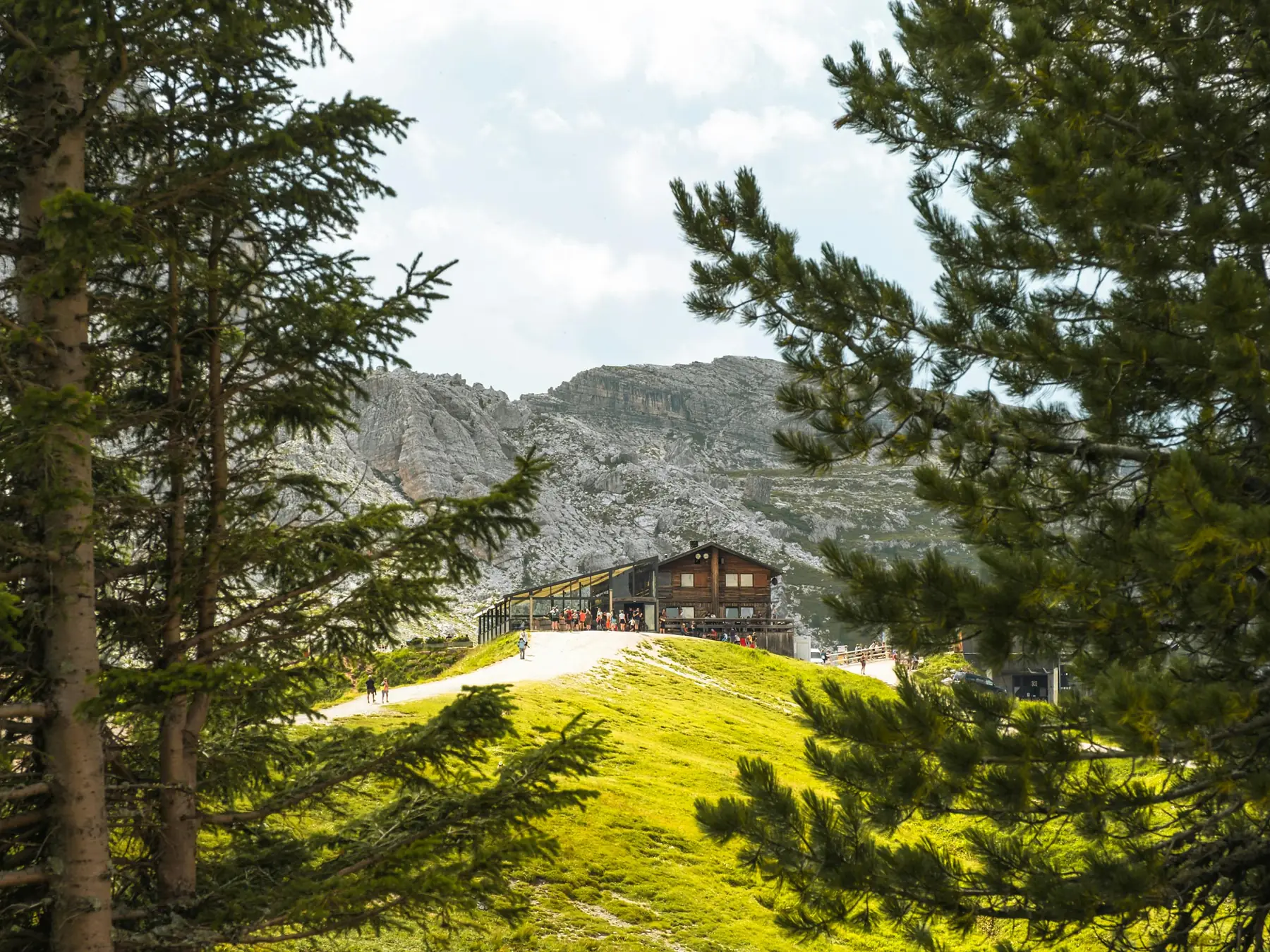
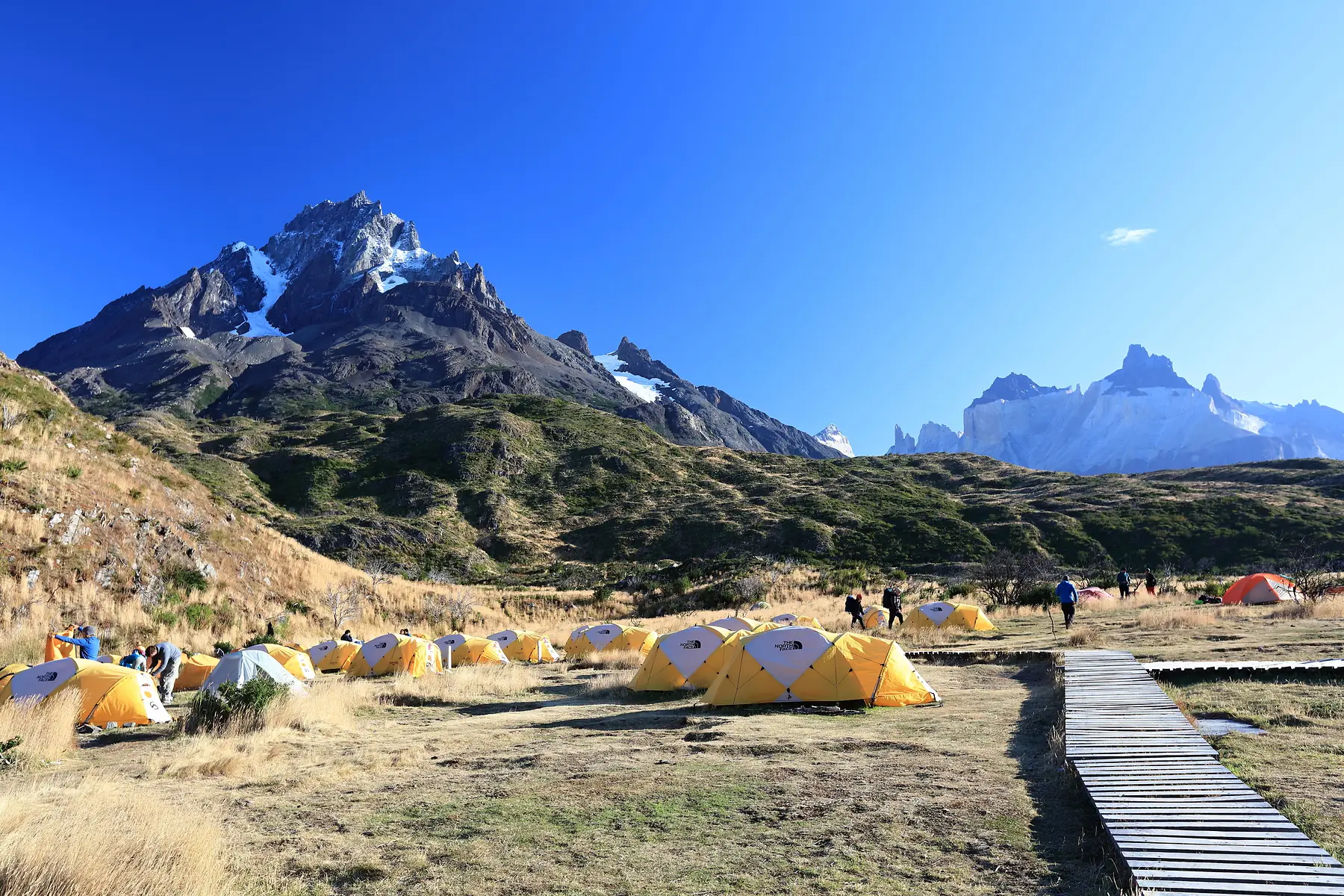
Your itinerary is dictated by where you sleep each night. The trail is divided into “Sectors,” each managed by one of two private operators: Vertice Patagonia or Las Torres Patagonia. Because wild camping is strictly prohibited, you must move between these specific hubs.
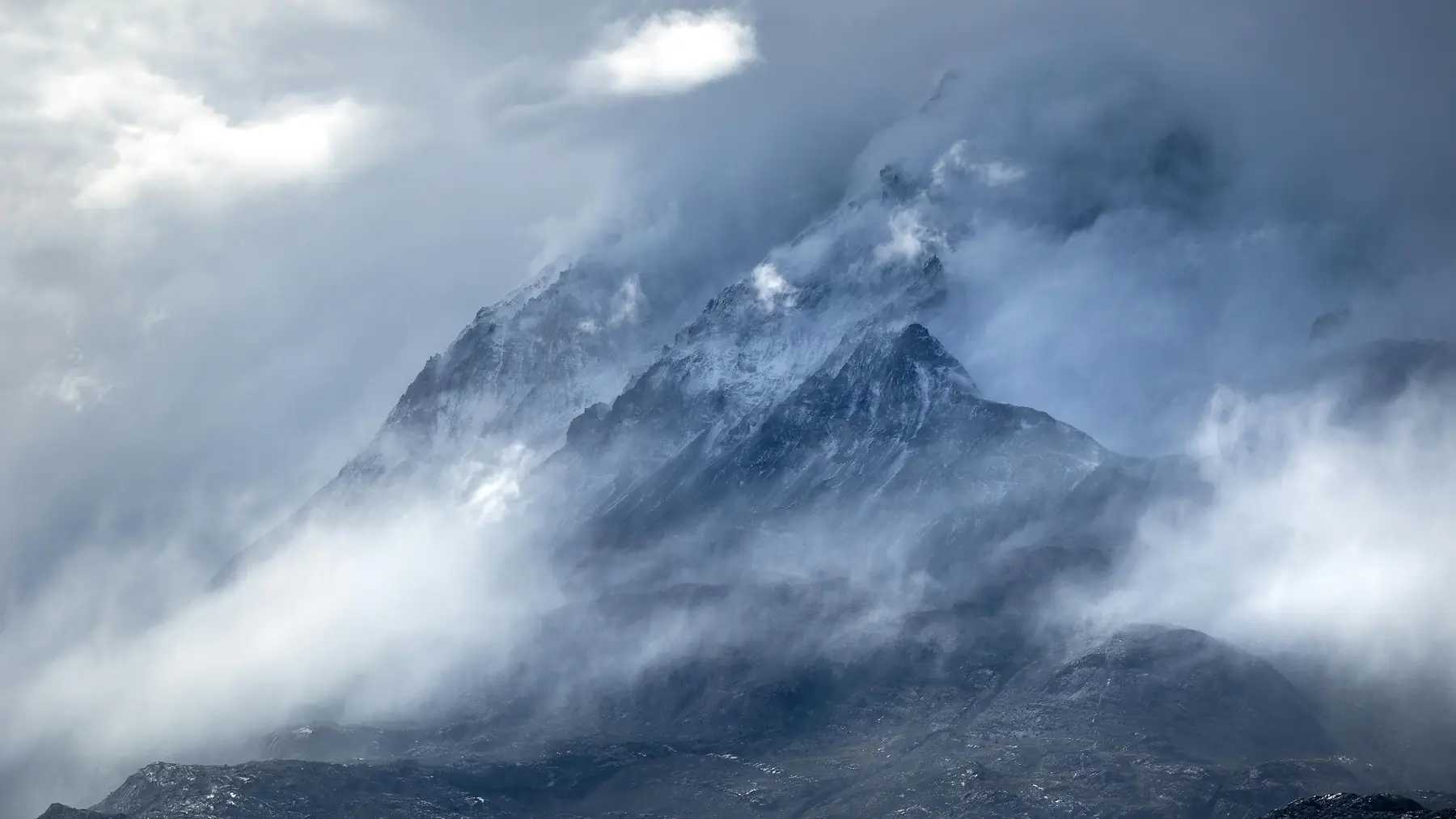
Your itinerary is legally bound by your campsite or refugio reservations. Rangers check permits at various checkpoints, and you are not permitted to stay in a sector where you do not have a confirmed booking. There is no “freestyle” hiking on the W Trek.
Understanding the layout of these sectors is the first step in building your plan. You can explore the specific amenities and differences between these locations in our dedicated guides.
To see the differences between staying in a dorm or a tent, explore our accommodation resources:
Choosing Your Direction: West-to-East vs. East-to-West
While you can hike the W in either direction, the West-to-East route is the most popular choice for several strategic reasons. The primary factor is the “emotional arc” of the trek. Walking West to East allows the scenery to build in drama, culminating in the most famous view in Patagonia - the granite towers - on your final day.
The prevailing wind is another critical consideration. In Torres del Paine, the wind typically blows from the West toward the East. By walking in this direction, you often have the wind at your back rather than fighting 60 - 80 km/h gusts head-on. Conversely, an East-to-West route allows you to tackle the steepest climb (the Towers) on Day 1 while your legs are freshest.
- Wind Direction: Usually at your back, making exposed sections easier to navigate. (West-to-East)
- Wind Direction: Often walking directly into the wind, which can be exhausting on the horizontal stretches. (East-to-West)
- Physical Arc: Starts with flatter terrain; the hardest climbs are saved for the final days. (West-to-East)
- Physical Arc: Hits the most strenuous climb (Mirador Las Torres) on the very first day. (East-to-West)
- Scenic Climax: Saves the iconic Towers for the final morning, providing a “Grand Finale” feel. (West-to-East)
- Scenic Climax: Reaches the Towers immediately, which can make the later sections feel less dramatic. (East-to-West)
- Logistics: Requires a catamaran crossing at the start; ends with a simple shuttle and bus. (West-to-East)
- Logistics: Starts with a shuttle; ends at the catamaran dock, requiring careful timing to catch the ferry. (East-to-West)
For most hikers, West-to-East is the superior choice because it offers a better scenic progression and wind advantage.
Duration: Is 4 Days or 5 Days Right for You?
The choice between four and five days usually comes down to your fitness level and how much of the “W” you are willing to skip. A 5-day itinerary is the standard recommendation because it allows you to complete all three “legs” of the W without rushing. It provides enough time to hike to the suspension bridges past Refugio Grey and to reach the highest viewpoint in the French Valley, Mirador Británico.
A 4-day itinerary is a “fast-track” version. It is best suited for fit hikers or those with a very limited window. To make it work, you generally have to sacrifice the deeper sections of the valleys or combine two long hiking days into one massive 25 km+ push.
If you find that five days is still too short for your ambitions, you may want to consider the O-Circuit. This 7 - 9 day loop includes the entire W Trek but adds a remote northern section that crosses the high Andes. You can learn more about this longer commitment on our W Trek vs O-Circuit comparison page.
The Classic 5-Day West-to-East Itinerary (Recommended)
This is the most balanced way to experience the park. It builds physical momentum and saves the most iconic view for last.
Arrival and Glacier Grey
Take the morning bus from Puerto Natales to Pudeto, followed by the catamaran across Lake Pehoé to Paine Grande. From there, hike North to Sector Grey. If time permits, continue past the refugio to the first suspension bridge for an incredible view of the ice field.
The Hanging Bridges
Spend the morning exploring the first and second suspension bridges further North of Refugio Grey. These offer the best perspectives of the glacier’s face. While a third bridge exists further along the O-Circuit, the second bridge serves as the standard turnaround point for W-hikers. In the afternoon, hike back to Sector Paine Grande.
The French Valley
Hike from Paine Grande to the Italian Ranger Station (Campamento Italiano), where you can leave your heavy pack. Climb into the French Valley to Mirador Francés and, if conditions allow, continue to Mirador Británico. Descend and continue to Sector Francés or Sector Cuernos for the night.
The Coastal Trail
A relatively flatter day spent trekking along the shores of Lake Nordenskjöld. This section offers stunning views of the “horns” (Los Cuernos) towering above you. You will end the day at Sector Chileno or Sector Las Torres (Central).
The Towers and Exit
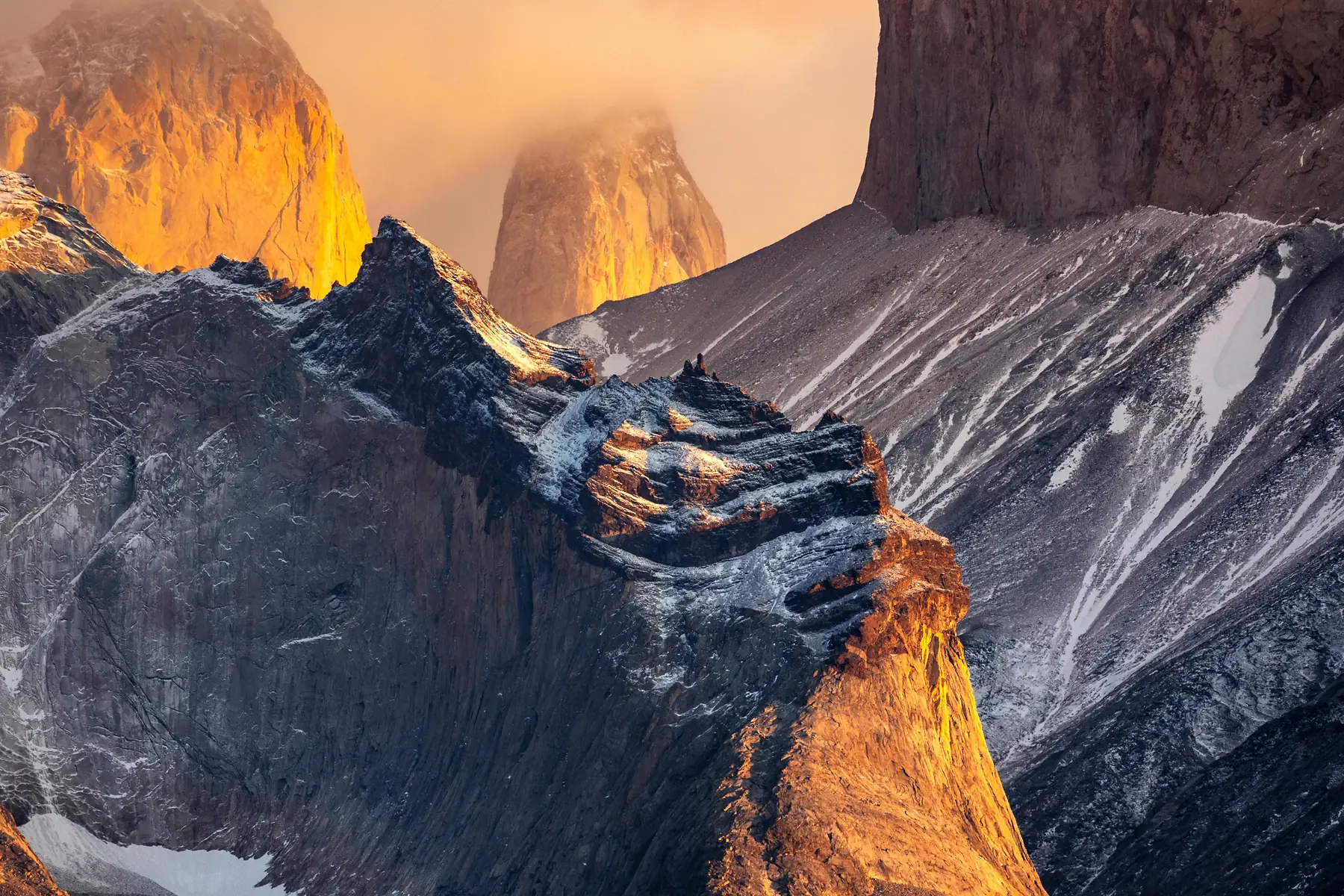
Wake up early for the final ascent to Mirador Las Torres. Many hikers aim to reach the summit by dawn to see the granite turn orange in the first light. After descending, take the shuttle from the Welcome Centre back to Laguna Amarga to catch your bus to Puerto Natales.
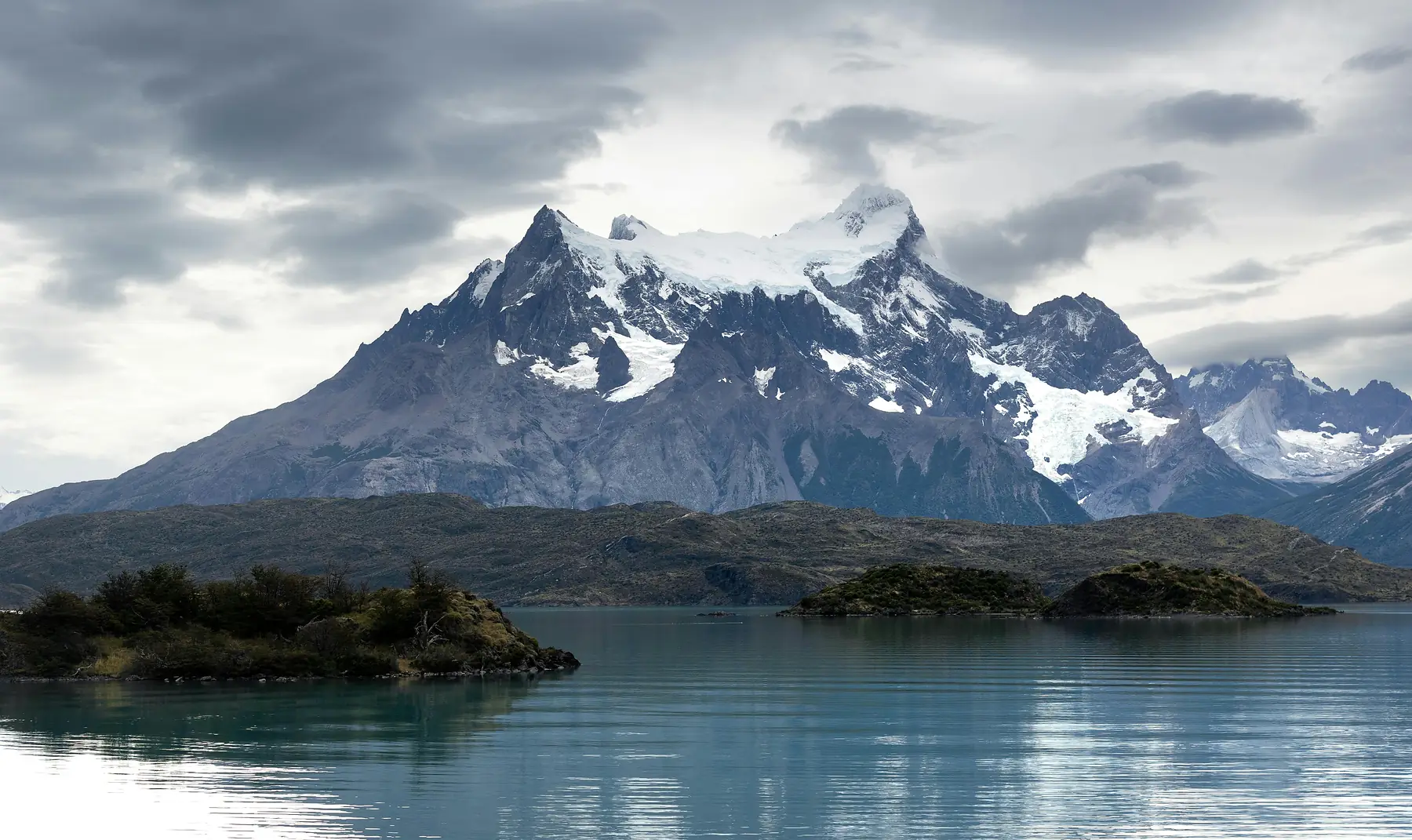
The 5-Day East-to-West Itinerary (The “Fresh Legs” Plan)
This route is ideal if your primary goal is seeing the Towers and you want to ensure you have the energy to reach them on your first day.
- Day 1: Enter via Laguna Amarga, take the shuttle to the Welcome Centre, and hike straight up to Mirador Las Torres. Stay the night at Sector Chileno.
- Day 2: Descend from Chileno and trek West along Lake Nordenskjöld to Sector Francés or Sector Cuernos.
- Day 3: Leave your pack at the entrance of the French Valley and hike up to Mirador Británico. Return and continue West to Sector Paine Grande.
- Day 4: Hike from Paine Grande to Sector Grey. Spend the afternoon viewing the glacier from the nearby lookout points.
- Day 5: Hike to the suspension bridges in the morning, return to Refugio Grey to collect your gear, trek back to Paine Grande, and catch the afternoon catamaran to Pudeto.
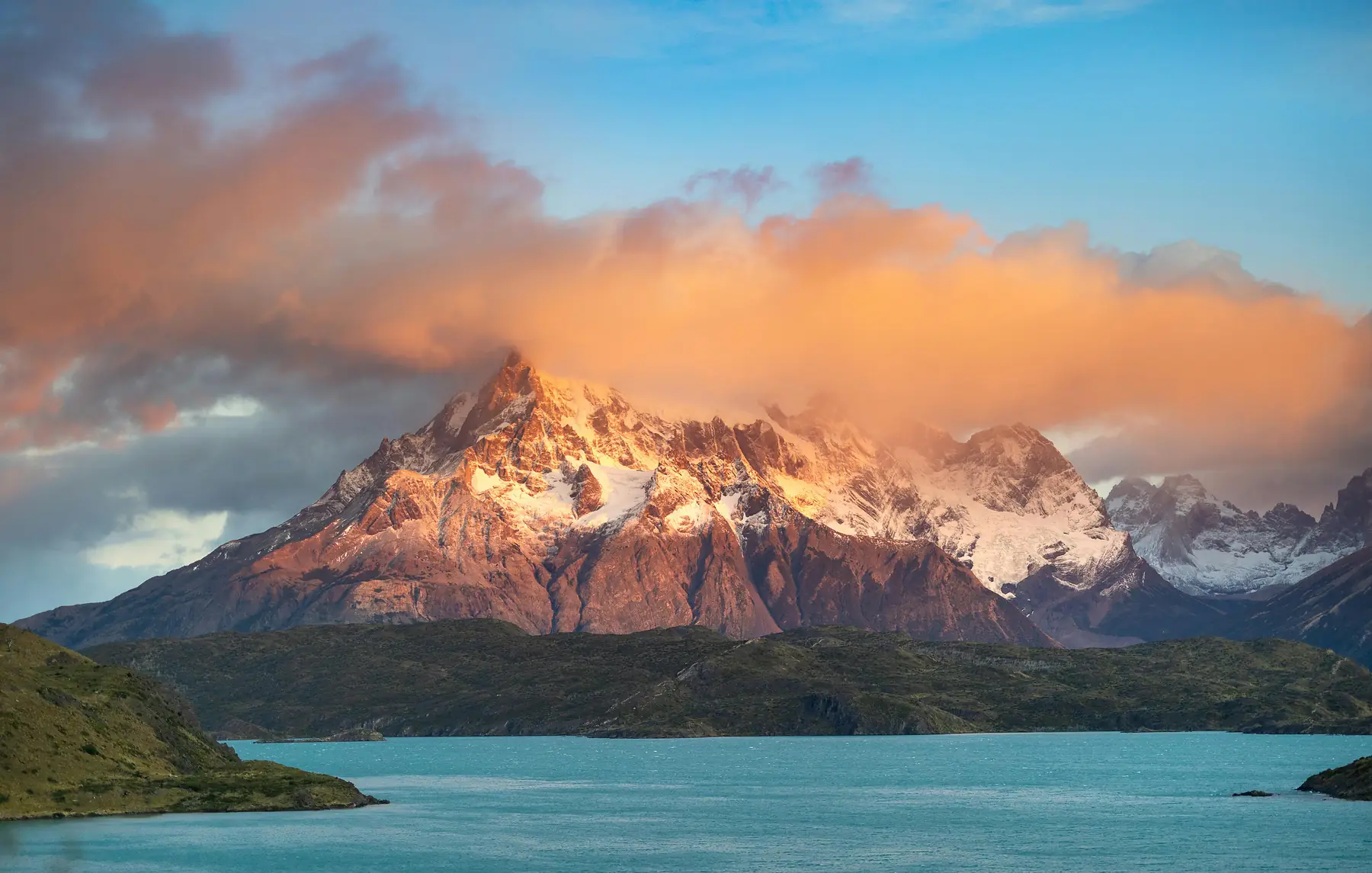
If you choose the East-to-West direction, pay close attention to the catamaran schedule at Paine Grande. For the 2026/27 season, the final departure typically leaves between 17:30 and 18:35 depending on the month. Missing the final ferry can result in a very expensive night at the refugio or a long, unplanned walk to the park exit.
The 4-Day Fast-Track Itinerary
Condensing the W Trek into four days requires significant physical effort and the sacrifice of some secondary viewpoints. This is typically achieved by combining the first two days of a standard itinerary.
The most common 4-day strategy involves skipping the suspension bridges at Glacier Grey. You would take the morning catamaran to Paine Grande, hike to the Grey lookout, and return to Paine Grande all in a single day. This covers roughly 22 km on Day 1.
Another variation is to skip the upper section of the French Valley (Mirador Británico), only hiking as far as the first viewpoint (Mirador Francés). This saves approximately 2 - 3 hours of strenuous climbing, allowing you to push further along the lake shore to reach your next camp by evening.
Before committing to a faster pace, assess your fitness level and pack weight:
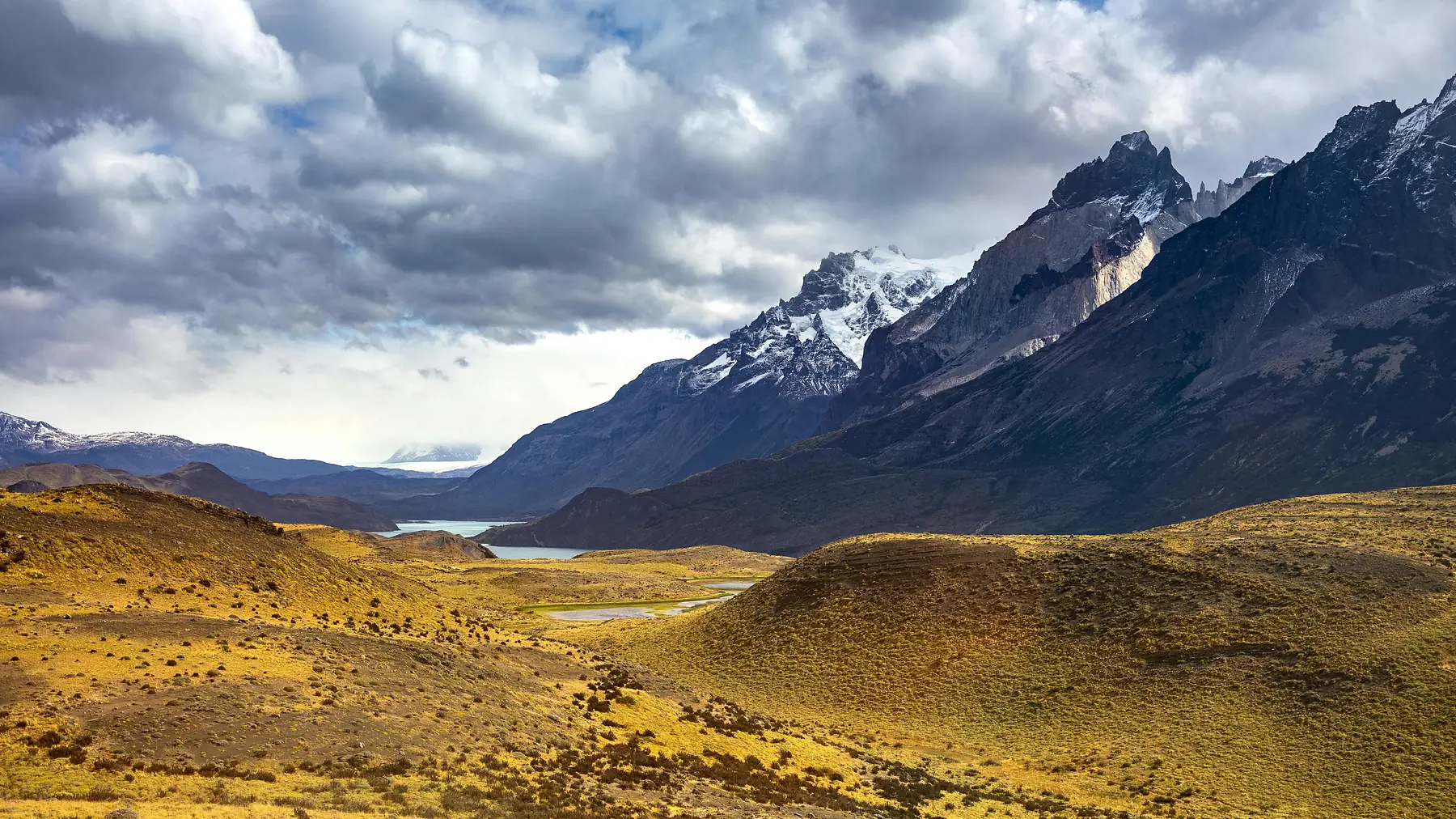
Allocation of Time: Where to Linger
The biggest mistake hikers make is rushing through the “middle” of the W. While the Towers get the most fame, many travelers find the French Valley and Glacier Grey to be the highlights of the trip.
The Valle del Francés is often called the “soul” of the W Trek. It is a massive natural amphitheater of granite and ice. If you have a 5-day itinerary, use the extra time here. Reaching Mirador Británico requires an additional 2 hours of hiking beyond the first viewpoint, but it places you in the center of a 360-degree mountain panorama that most 4-day hikers never see.
Similarly, the suspension bridges past Refugio Grey are frequently skipped. These bridges hang over deep canyons and offer a perspective of the Southern Patagonian Ice Field that is far superior to the view from the refugio itself. Adding a second night at Sector Grey is the only way to see these comfortably without a 10-hour hiking day.
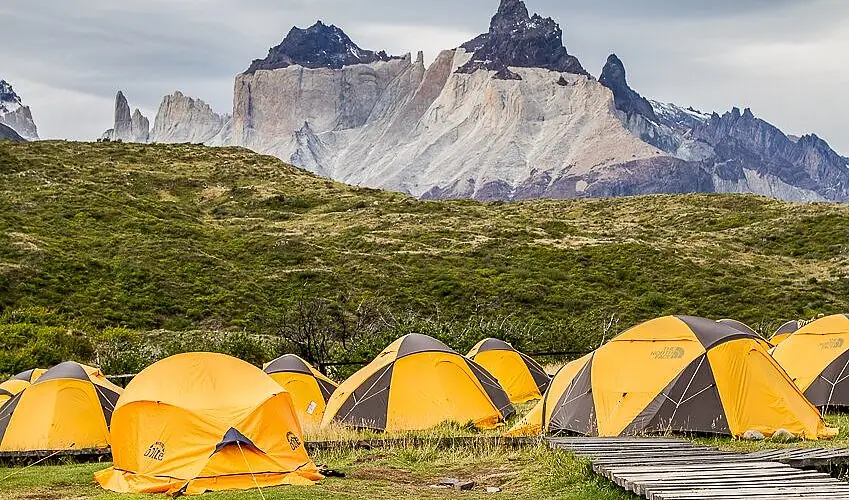
Itinerary Logistics: Entry and Exit Points
Your itinerary must coordinate with the park’s transportation system. There are two main gateways into the W Trek, and your choice of direction determines which one you use first.
The Eastern Gate (Laguna Amarga / Welcome Centre): This is the entry point for East-to-West hikers. All buses from Puerto Natales stop at the Laguna Amarga ranger station. From there, you must take a separate shuttle to reach the Welcome Centre and the trailhead for the Towers. Shuttles are operated by Las Torres Patagonia and depart Laguna Amarga approximately every 30 minutes, timed to coincide with the arrival of major bus lines from Puerto Natales.
The Western Gate (Pudeto / Paine Grande): This is the entry point for West-to-East hikers. You will stay on the bus past Laguna Amarga until you reach Pudeto. From Pudeto, you board the Pehoé Catamaran, which takes you across the lake to the Paine Grande trailhead.
As of the 2026/27 season, tickets for the Pehoé Catamaran can be purchased online in advance via the official operator (Hielo Sur) or through authorized booking platforms. However, it is still recommended to carry Chilean Pesos (CLP) for the Laguna Amarga shuttle and incidental park fees, as card machines remain unreliable.
If you are still finalizing your travel to the park, our transportation guide covers the specifics of bus schedules and ferry crossings:
QUESTION: How many days are needed to hike the Torres del Paine W Trek?
ANSWER: Most hikers require 5 days and 4 nights to complete the full W Trek comfortably, though fit hikers can condense the route into 4 days by skipping certain viewpoints.
QUESTION: Which direction is best to hike the Torres del Paine W Trek?
ANSWER: West-to-East is generally recommended as it builds toward the spectacular Mirador Las Torres on the final day and usually keeps the prevailing Patagonian winds at your back.
QUESTION: Can I see the sunrise at the towers on a 4-day W Trek itinerary?
ANSWER: Yes, if you hike East-to-West and stay at Sector Chileno on your first night, or if you hike West-to-East and make the towers your final morning’s destination.
QUESTION: Do I need to book my W Trek itinerary in advance?
ANSWER: Yes, your itinerary is strictly dictated by your campsite or refugio reservations, which must be booked months in advance through Vertice and Las Torres Patagonia.
QUESTION: What is the hardest day on a standard W Trek itinerary?
ANSWER: The hike to Mirador Las Torres (approx. 8-10 hours round trip) and the trek into the French Valley are considered the most strenuous days due to significant elevation gain.
QUESTION: Where does the W Trek itinerary start and end?
ANSWER: The trek typically starts at either the Laguna Amarga entrance (East) or the Paine Grande catamaran dock at Pudeto (West), depending on your chosen direction.