
Getting Around Patagonia: 2026 Transport Guide
Find your perfect transit mix. Compare long-distance buses, car rentals, border ferries, and domestic flights to save time and money.
The most efficient way to get around Patagonia is a combination of long-distance buses and internal flights, while a rental car is the best choice for those seeking total flexibility in remote regions. Because the region is larger than many European countries, your strategy should focus on “hubs” like El Calafate, Puerto Natales, and Bariloche, using them as bases to explore the surrounding wilderness.
While the distances are vast, the transport infrastructure for the 2025/2026 season is robust. Most travelers can move between major highlights using a reliable network of paved roads and scheduled services, provided they understand the “hub-and-spoke” reality of the geography. This guide breaks down the logistics of moving through the southern tip of the Andes, helping you choose the mode that fits your timeline and budget.
Patagonia Transport at a Glance
- Primary Mode: Long-distance bus (reliable, affordable, extensive).
- Best for Flexibility: Rental car (essential for the Carretera Austral).
- Time Saver: Internal flights (essential for jumping between North and South).
- Booking Window: 2-4 weeks in advance for peak season (Dec-Feb).
- Border Reality: No direct cross-border flights; all crossings are by land or sea.
- Road Conditions: Main routes (Ruta 40, Ruta 9) are largely paved; secondary routes are gravel.
The Geography of Patagonian Transport
Navigating Patagonia requires a mental model built around three primary gateways. The Northern Hub centers on San Carlos de Bariloche (Argentina) and Puerto Montt (Chile). The Central Hub revolves around Coyhaique and the remote stretches of the Carretera Austral. The Southern Hub, where most first-time visitors spend their time, connects El Calafate, El Chalten, and Puerto Natales.
The fundamental challenge of Patagonian travel is that moving North-South is significantly easier than crossing the Andes East-West. In the south, for example, you can easily bus between El Calafate (Argentina) and Puerto Natales (Chile), but in the central regions, mountain passes are few and often involve long detours or ferry crossings.
For the 2026 season, travel times remain high despite improved paving. A 200km journey on the map rarely translates to two hours of driving. Between the fierce Patagonian winds that slow high-profile vehicles, the remaining gravel sections on Argentina’s Ruta 40, and the mandatory stops at border outposts, you should average 50-60 km/h when estimating transit times. If you are arriving from abroad, ensure you have read our guide on how to get to Patagonia before mapping out your internal legs.
Traveling by Bus: The Patagonian Backbone
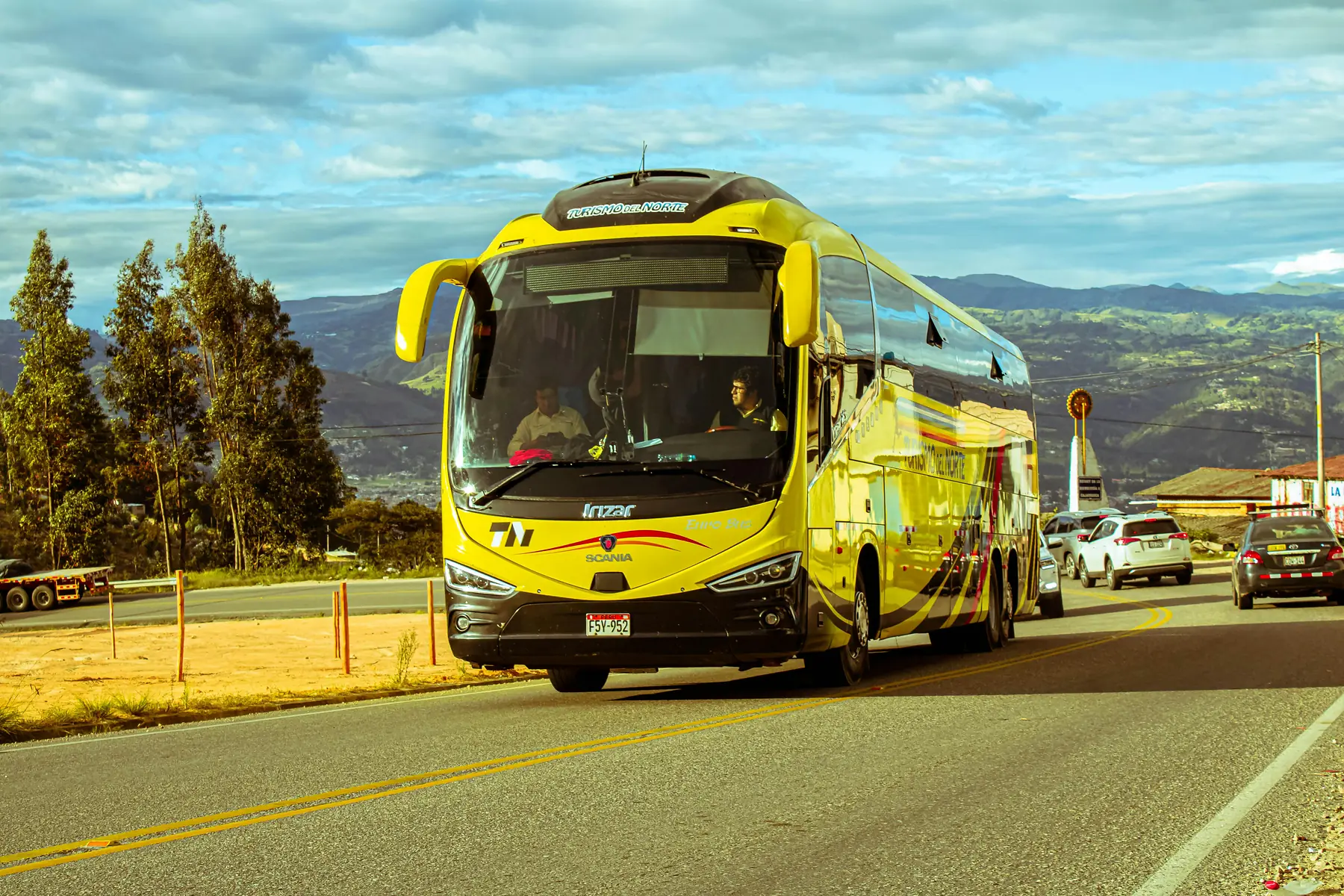
Buses are the primary way most travelers experience Patagonia because the network is extensive, safe, and surprisingly comfortable. Unlike the basic school buses found in other parts of South America, Patagonian long-haul coaches are modern, two-story vehicles designed for the massive distances of the steppe.
You will typically choose between two classes of service: Semi-Cama (seats that recline 60 degrees) and Cama or Super-Cama (wider seats that recline 160 to 180 degrees). For any journey exceeding six hours, the extra cost for a Cama seat is the best investment you can make. Most towns have a central Rodoviario (bus terminal) where all competing companies have ticket windows, making it easy to compare schedules in person.
For 2026, the “Holy Trinity” route - El Calafate to El Chalten to Puerto Natales - remains the most popular. During the peak months of December through February, these routes can sell out two weeks in advance. Digital booking has improved significantly: use Plataforma 10 for Argentinian routes and Bus-Sur for the critical links between Chile and Argentina.
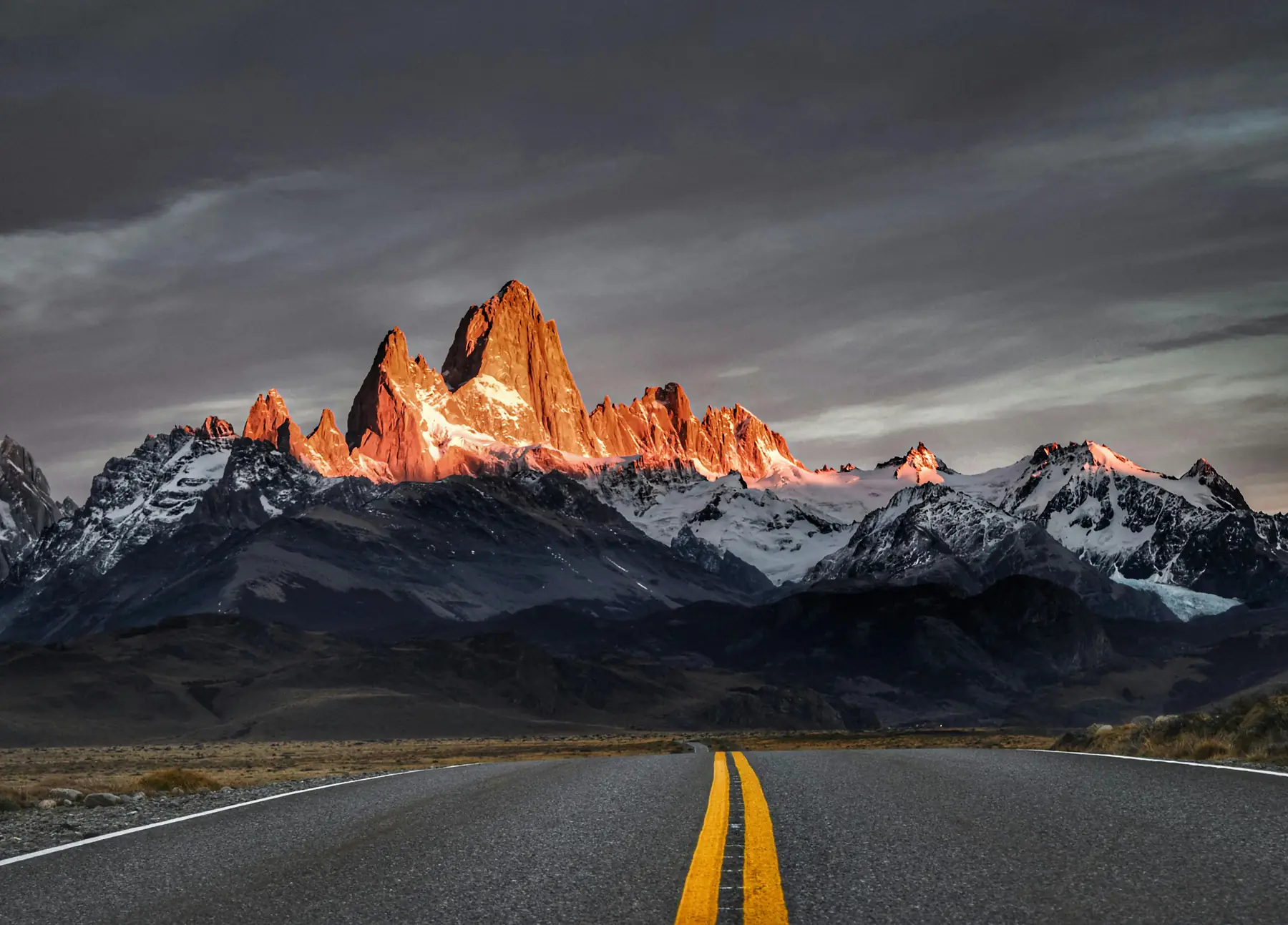
The bus from El Calafate to El Chalten takes approximately 3 hours and costs between $35-$50 USD as of the 2026/27 season. Book a seat on the left side of the bus when heading toward Chalten for the first, iconic view of the Fitz Roy massif as you approach the town.
Private Transfers and Shuttles
In the Southern Hub, private transfers have become a vital middle ground between the bus and a rental car. These are typically 8-12 passenger vans that offer door-to-door service between hotels in El Calafate and Puerto Natales, or direct transfers from the airport to the Torres del Paine park gates. While they cost three to four times the price of a public bus, they can save you four hours of logistical “dead time” by bypassing the central bus terminals and streamlining the border process.
Car Rental: Freedom, Wind, and Gravel
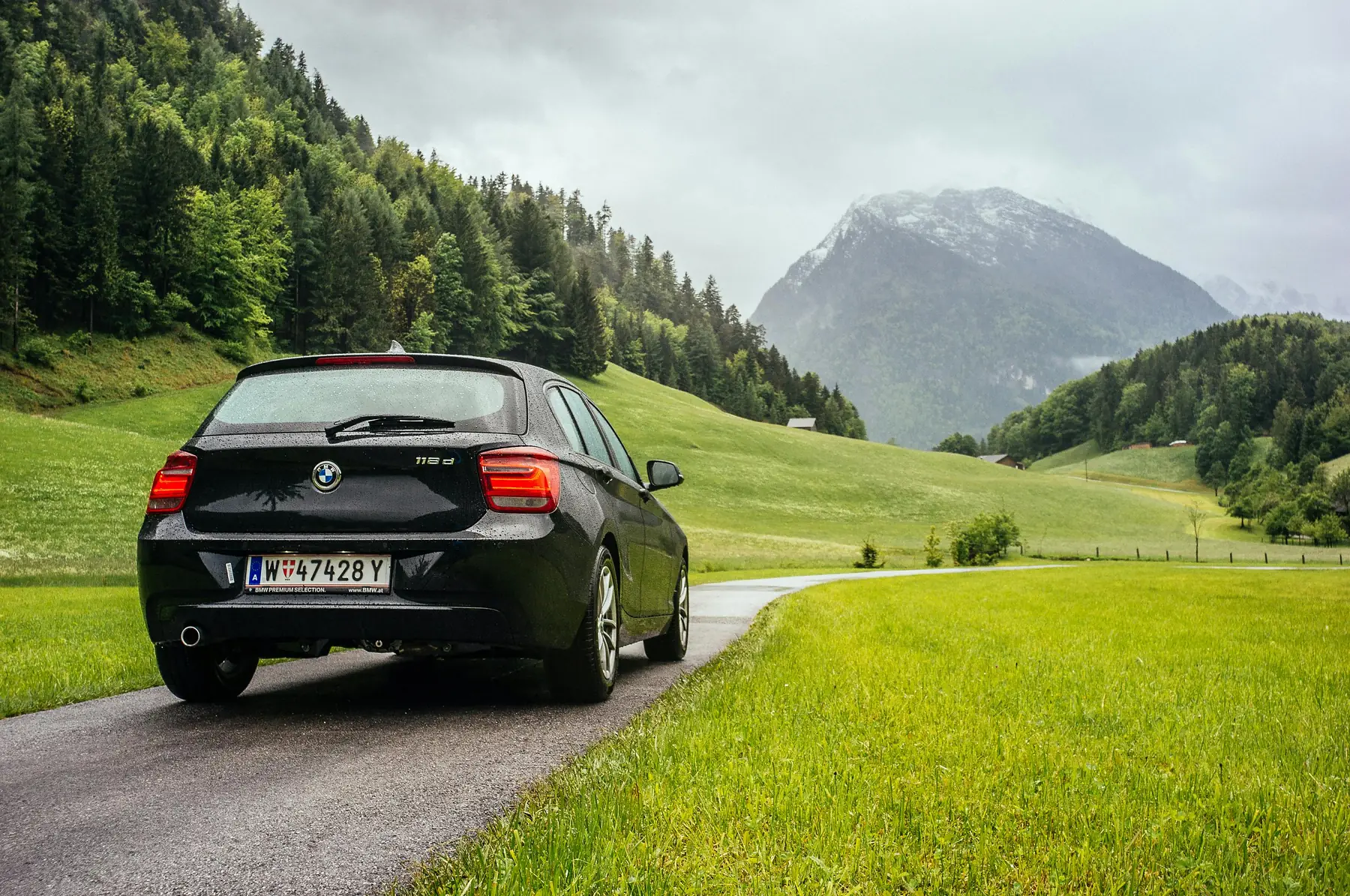
Renting a car is the only way to reach the deep trailheads of the Carretera Austral or to photograph the sunrise at remote locations without a tour group. However, Patagonia is a demanding environment for drivers. The debate between 4WD and 2WD is often settled by clearance rather than traction: while you rarely need four-wheel drive on the main roads, the high clearance of a small SUV is essential for navigating the “washboard” ripples and potholes of gravel routes. Notably, a 72km section of Ruta 40 between Tres Lagos and the Lago Cardiel junction remains unpaved as of late 2025.
If you plan to drive between Chile and Argentina, you must secure a Permiso de Salida (cross-border permit) from your rental agency. This paperwork takes at least 10 days to process and carries an additional fee, typically ranging from $120 to $200 USD depending on the rental duration and agency. You cannot simply show up at the border with a rental contract and expect to pass.
Insurance in Patagonia requires specific attention. The most common damage is a cracked windshield caused by flying stones on gravel roads. Most standard policies exclude glass and tires, so always opt for the “windshield protection” add-on. Finally, follow the “half-tank rule”: in remote regions like Aysen, fuel stations can be 200km apart and occasionally run out of diesel. Never pass a pump without topping up.
Patagonian winds can exceed 100 km/h. When parked, always hold the car door firmly with both hands while opening it. The wind is strong enough to catch the door and bend the hinges backward, a common and expensive rental damage claim.

Internal Flights: Jumping the Great Distances
Flying is the only logical way to connect the Northern and Southern hubs if you have less than three weeks. A bus from Bariloche to El Calafate takes nearly 24 hours of continuous travel; a flight (even with a connection) saves you two full days of your itinerary.
The most important rule for 2026 is the “No Cross-Border Flight” rule. There are currently no direct commercial flights between Chilean Patagonia and Argentinian Patagonia. To get from Punta Arenas (Chile) to El Calafate (Argentina) by air, you would have to fly north to Santiago, across to Buenos Aires, and back south - a 12-hour ordeal. For these cross-border jumps, the bus remains king.
In Chile, Sky Airline and JetSmart offer low-cost fares from Santiago to Puerto Montt, Balmaceda (Coyhaique), and Punta Arenas. Be aware that JetSmart’s baggage policies are strictly enforced; only one small personal item (45x35x25 cm) is included in the base fare, and even standard carry-on bags for overhead bins require a paid upgrade. In Argentina, Aerolineas Argentinas dominates the routes to El Calafate and Ushuaia. For those heading to the southernmost city in the world, flying to Ushuaia is almost always better than the 12-hour bus journey from Rio Gallegos, which involves a complex ferry crossing and two border stops.
Navigating the Fjords: Ferries and Boat Travel
In Western Patagonia, the mountains drop directly into the sea, meaning the “road” is often a waterway. Boat travel here ranges from essential transport to multi-day expeditions.
The Navimag ferry is the most famous of these routes. It is a four-day journey on a converted cargo vessel that travels from Puerto Montt to Puerto Natales. It is not a luxury cruise; it is a slow, immersive way to see the fjords where no roads exist. For the 2025/2026 season, Navimag typically sails once per week, usually departing Puerto Montt on Fridays and Puerto Natales on Tuesdays.
More practical for most trekkers are the lake crossings. The boat across Lago O’Higgins is a legendary “back door” for hikers crossing from Villa O’Higgins (Chile) to El Chalten (Argentina). Similarly, the ferry across the Strait of Magellan is the only way to reach Tierra del Fuego. The crossing at Punta Delgada is short (20 minutes) and runs frequently, while the ferry from Punta Arenas to Porvenir takes 2.5 hours and offers a better chance of spotting Commerson’s dolphins.
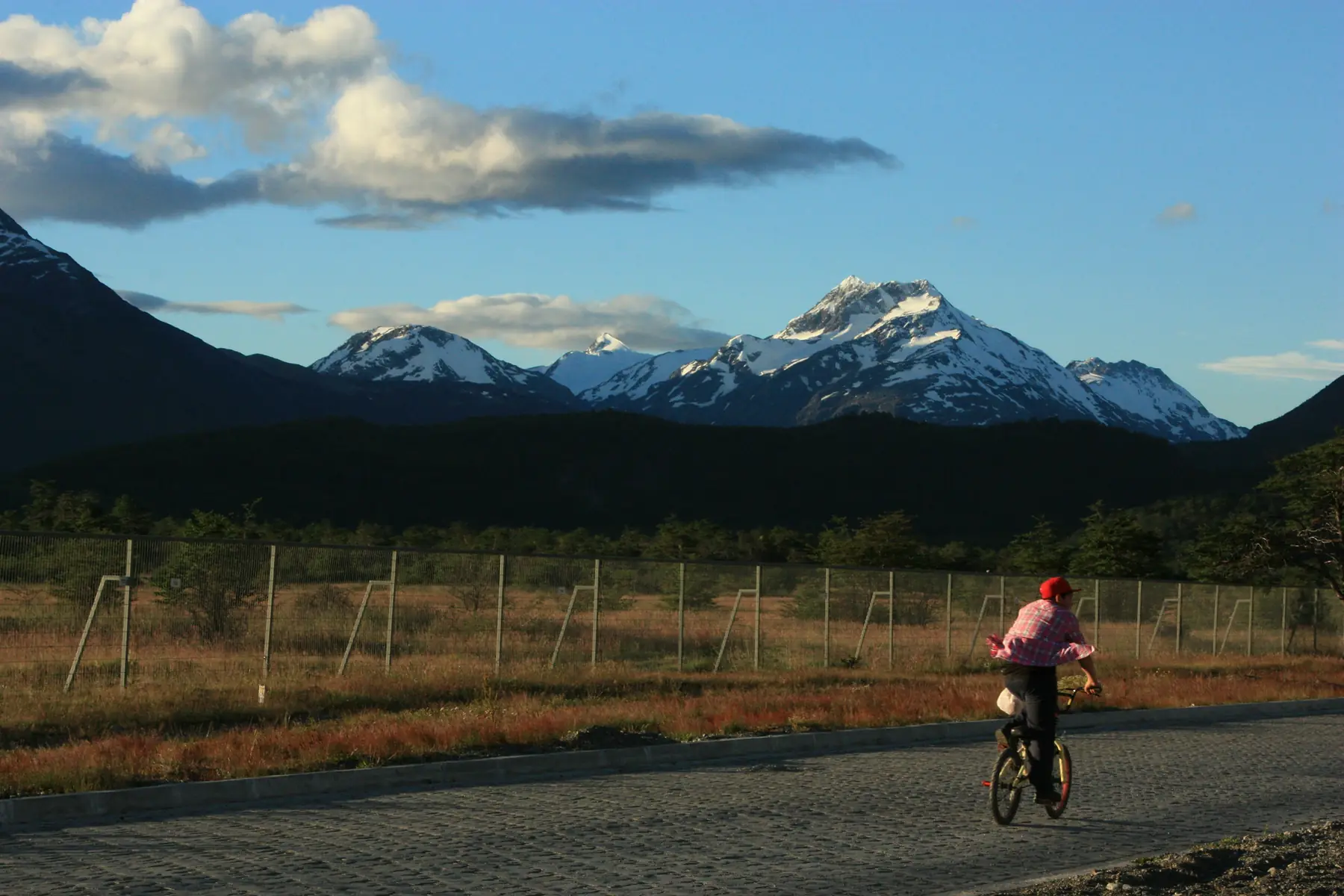
Crossing the Border: The Logistics of No-Man’s Land
Crossing between Chile and Argentina is a routine part of a Patagonian itinerary, but it requires specific logistical planning. Every crossing involves a “Two-Stop” process: you stop at the outpost of the country you are leaving to get an exit stamp, drive through a “no-man’s land” that can range from 200 meters to 10 kilometers, and then stop at the outpost of the country you are entering.
For those on public buses, the driver manages the timing, but you must still handle your own luggage. Chile is particularly strict about agricultural products. You cannot bring any fresh fruit, vegetables, honey, or unsealed meat into Chile. Fines are issued on the spot and are non-negotiable.
The most important transport consideration is the “Walkers’ Gap.” If you are hitchhiking or being dropped off at a border, do not assume you can easily walk to the next post. In remote crossings like Paso Roballos, the distance between the two customs houses is approximately 11km of exposed, wind-swept road. Always ensure you have a confirmed lift through the entire neutral zone. For a complete breakdown of visas and forms, see our full guide to Patagonia border crossings.
Alternative Travel: Cycling and Hitchhiking
Slow travel in Patagonia is a test of endurance against the elements. For cyclists, the prevailing wind direction is North to South. Attempting to cycle north against the “Roaring Forties” winds is a recipe for frustration and dangerously slow progress. Most cyclists focus on the Carretera Austral (Route 7) in Chile, which offers more protection from the wind and more frequent water sources than the Argentinian steppe.
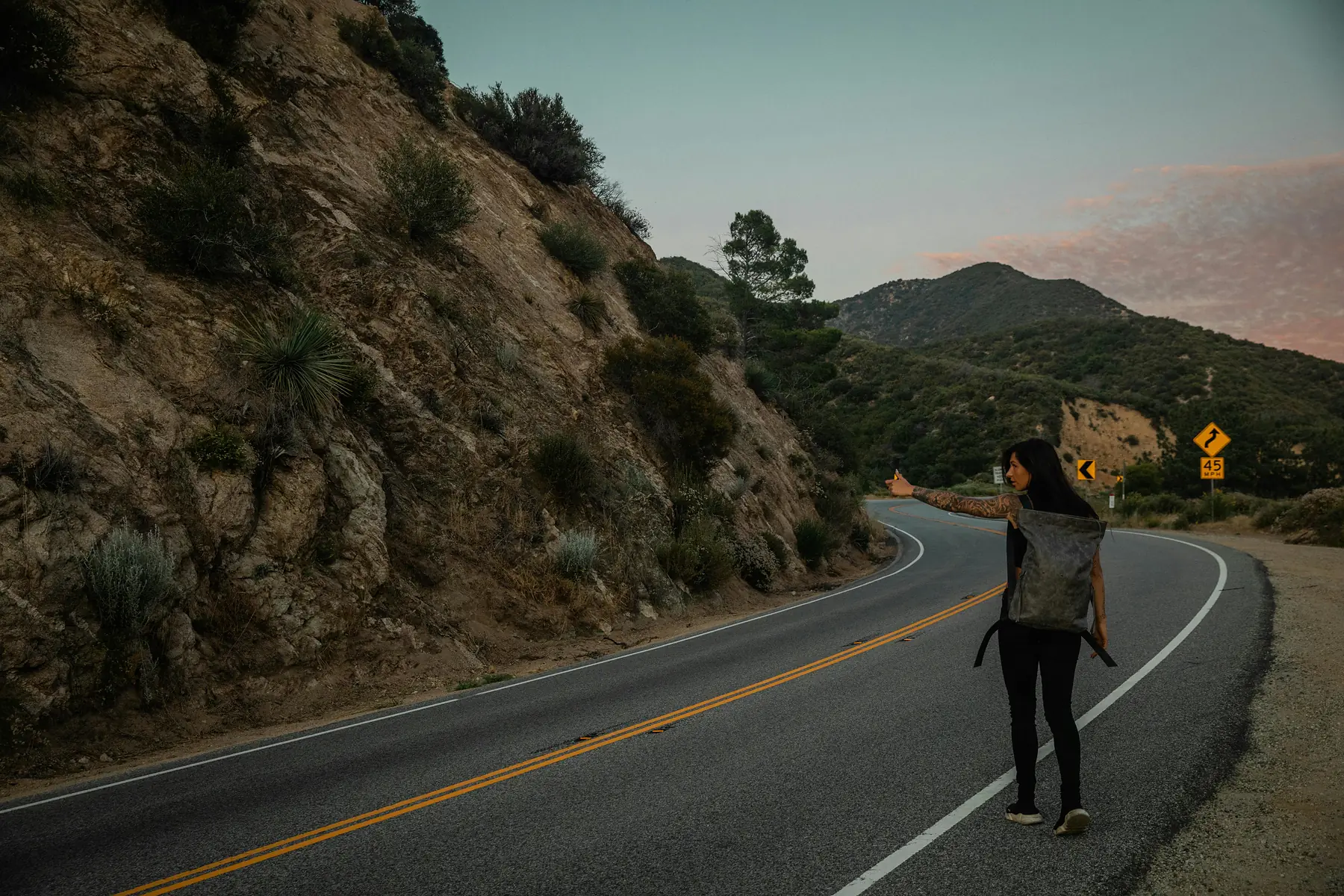
Hitchhiking, known locally as hacer dedo, is a deeply ingrained part of the culture in Chilean Patagonia, particularly on the Carretera Austral where public buses are infrequent. It is considered very safe, even for solo travelers, though you must be prepared to wait hours (or even a full day) in remote areas. In Argentina, hitchhiking is significantly more difficult due to the vast distances and higher speeds on the paved Ruta 40.
To learn more about the specific gear and safety requirements for these modes, visit our dedicated guides:
Which Transport is Right for You? (Decision Framework)
Choosing your transport mode depends on your balance of time versus budget. Use the framework below to identify which strategy fits your trip profile.
- Transport: 100% bus and walking. (The Budget Backpacker)
- Cost: $30-$60 per day. (The Budget Backpacker)
- Flexibility: Low; tied to bus schedules. (The Budget Backpacker)
- Best For: Those with 4+ weeks who can afford “buffer days” for sold-out routes. (The Budget Backpacker)
- Next Step: Read our Patagonia on a budget guide. (The Budget Backpacker)
- Transport: Internal flights combined with private transfers. (The Time-Poor Traveler)
- Cost: $150-$300 per day. (The Time-Poor Traveler)
- Flexibility: Medium; maximizes time at destinations. (The Time-Poor Traveler)
- Best For: 7-10 day trips focusing on Torres del Paine and Perito Moreno. (The Time-Poor Traveler)
- Next Step: View our internal flights guide. (The Time-Poor Traveler)
- Transport: Rental car with high clearance. (The Off-Path Explorer)
- Cost: $120-$200 per day for the car only. (The Off-Path Explorer)
- Flexibility: High; no schedules or set routes. (The Off-Path Explorer)
- Best For: Photographers and those exploring the Carretera Austral. (The Off-Path Explorer)
- Next Step: Check our car rental checklist. (The Off-Path Explorer)
Most travelers should choose the 'Time-Poor' model for their first trip to maximize time in the national parks.
To ensure you don’t miss out on your preferred transport, consult our Patagonia booking timeline to see exactly when you need to reserve your seats for the 2026 season.
QUESTION: What is the best way to get around Patagonia without a car?
ANSWER: The most efficient way to get around Patagonia without a car is using the extensive “Cama” (sleeper) bus network, which connects all major hubs like El Calafate, Puerto Natales, and El Chalten. These buses are comfortable, reliable, and significantly cheaper than private transfers.
QUESTION: How do you get between El Calafate and El Chalten?
ANSWER: You can get between El Calafate and El Chalten via several daily bus companies (3-hour journey) or by renting a car and driving the paved Ruta 40 and Ruta 23. During the peak season, buses depart frequently from both the town terminal and the El Calafate airport.
QUESTION: Can I take a rental car across the border in Patagonia?
ANSWER: Yes, you can take a rental car across the border in Patagonia, but you must request a “Permiso de Salida” from the rental agency at least 10 days in advance and pay an additional insurance fee. This permit is a legal requirement for the vehicle to clear customs in both Chile and Argentina.
QUESTION: Are there trains for getting around Patagonia?
ANSWER: There are no functional long-distance passenger trains for getting around Patagonia; transport is entirely reliant on buses, planes, and cars, though the “Old Patagonian Express” (La Trochita) operates as a short tourist excursion. You should not plan any part of your primary transit around rail travel.
QUESTION: Is hitchhiking in Patagonia safe for solo travelers?
ANSWER: Hitchhiking in Chilean Patagonia is considered very safe and is a common way for locals and travelers to get around the Carretera Austral, though it requires significant patience due to low traffic. Solo female travelers generally report high levels of safety, but standard travel precautions still apply.
QUESTION: How far in advance should I book transport in Patagonia?
ANSWER: For travel during the peak months of December through February, you should book Patagonian buses and flights at least 2-4 weeks in advance to ensure availability on popular routes. Rental cars, especially those with cross-border permits, should be booked 3-4 months in advance.