Patagonia on a Budget: 2026/27 Money-Saving Guide
Hike the ultimate southern landscapes without overspending. Discover proven money-saving hacks for food, transport, and free campsites.
Visiting Patagonia on a budget is entirely possible for travelers who prioritize strategic planning over convenience. By focusing on hiking hubs like El Chaltén, mastering the currency nuances of Argentina, and opting for campsites over mountain lodges, you can experience the region’s most dramatic landscapes for a fraction of the price of a luxury tour.
While Patagonia has a reputation for being the most expensive corner of South America, the high costs are often concentrated in specific “tourist traps” and high-demand booking windows. If you are willing to carry your own gear, cook your own meals, and navigate the public bus network, the wild beauty of the Andes remains accessible to backpackers and budget-conscious adventurers alike. This guide outlines the specific tactics required to maximize your value during the 2026/27 season.
Patagonia Budget at a Glance
- Daily Budget (Low): $60 - $85 USD (Camping, self-catering, public buses)
- Daily Budget (Mid): $130 - $190 USD (Hostel dorms, some meals out, occasional tours)
- Biggest Saving: Camping instead of Refugios (Saves $90+ per night)
- Best Value Hub: El Chaltén, Argentina (World-class trails with town-based amenities)
- Currency Strategy: Use cards in Argentina for the MEP rate; pay in USD/Credit in Chile for tax breaks
The Budget Traveler’s Mental Model: Where to Save vs. Spend
The most successful budget trips to Patagonia rely on a specific mental framework: you must decide whether you are spending time or money. In a region where distances are vast and infrastructure is limited, convenience is the most expensive commodity.
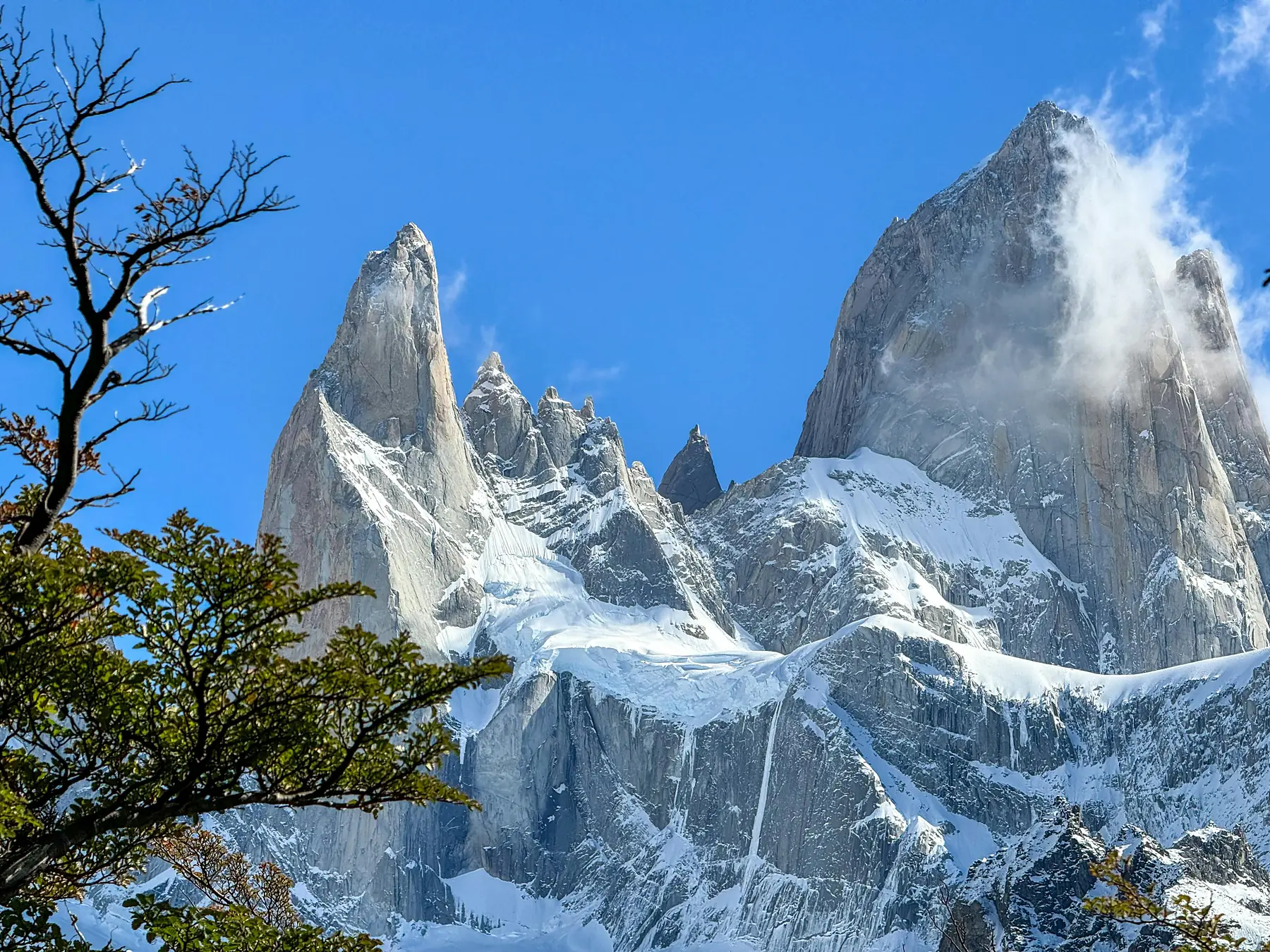
For most travelers, the “Big Three” expenses are transport, accommodation, and national park fees. To keep costs low, you should adopt a “Self-Guided” strategy. This involves centering your itinerary around hubs where the primary attractions do not require expensive guides. For example, El Chaltén remains the budget capital of the region because its most iconic trails, including the trek to Laguna de los Tres, begin right at the edge of town, eliminating the need for expensive shuttles or boat transfers.
When planning, you must also weigh the “Time vs. Money” trade-off. Hitchhiking (a dedo) can save you $30 on a bus ticket, but on the remote Carretera Austral, it can cost you two days of waiting on a dusty roadside. For a two-week trip, paying for the bus is almost always the better value. However, if you have two months, the slow pace of hitchhiking becomes a viable way to stretch a thin budget.
To understand the broader context of why these costs vary so much, it is helpful to look at the broader planning framework for your trip and our analysis of why Patagonia is expensive. For a more granular look at expenses, see our real-world price breakdowns for the 2026/27 season.
2026/27 Currency Strategies: Mastering the Money Game
In Patagonia, how you pay is often as important as what you pay for. The financial landscapes of Argentina and Chile are distinct, and failing to use the correct payment method can result in an “accidental tax” of 19% or more.
Argentina: The MEP Rate and Cash
As of 2026, the primary strategy for Argentina is using international credit or debit cards (Visa and Mastercard). Most foreign cards receive the MEP (Electronic Market Payment) rate, which is significantly more favorable than the official government exchange rate and tracks closely with the parallel “Blue Dollar.” This allows you to avoid the cash-exchange hustle, though carrying a small amount of USD cash for emergencies or small-town discounts remains wise.
Avoid using ATMs in Argentina whenever possible. They often charge high transaction fees (frequently exceeding $10 USD) and have extremely low withdrawal limits, often equivalent to less than $40 - $50 USD per transaction.
Chile: The 19% IVA Tax Exemption
In Chile, foreign tourists can save 19% on accommodation costs by qualifying for the IVA (value-added tax) exemption. To receive this discount, you must pay in US Dollars (cash) or with an international credit card and present your passport along with the “PDI” immigration slip (or digital equivalent) you received upon entry. Always confirm the hotel or hostel offers the “precio sin IVA” before booking.
For a deeper dive into these mechanics, including the current status of exchange rates, read our full guide to the Blue Dollar and card exchange rates. You should also check the current reciprocity fee status for your nationality to avoid surprise costs at the border.
Budget Transport: Navigating the Distances
Transport is often the hardest expense to minimize because the distances between highlights like Torres del Paine and El Calafate are immense. To save money, you need to book strategically and use the bus network as a tool for efficiency.
The Bus Network: Your Primary Tool
Buses are the backbone of budget travel here. For long-haul journeys, such as the trip from Bariloche to El Chaltén, consider taking an overnight bus. While a “Cama” (full-recline) or “Semi-Cama” (partial-recline) seat costs more than a standard seat, it saves you the cost of one night’s accommodation.
- Cost: $35 - $110 per leg. (Public Bus)
- Cost: $60 - $250 per leg. (Budget Flight)
- Hidden Saving: Overnight travel saves 1 night’s hostel cost. (Public Bus)
- Hidden Saving: Saves 12 - 24 hours of travel time. (Budget Flight)
- Flexibility: High; can often buy 1-2 days before. (Public Bus)
- Flexibility: Low; prices spike last minute. (Budget Flight)
- Comfort: Variable; Cama is excellent. (Public Bus)
- Comfort: Standard airline seats. (Budget Flight)
Buses win for short hops and overnight savings; flights win for distances over 1,000km if booked 4+ months out.
Flights and Hitchhiking
In Chile, budget carriers like Sky Airline and JetSmart can sometimes be cheaper than a 30-hour bus journey if you book at least 4 - 6 months in advance. However, be wary of baggage fees, which can double the price of a “cheap” ticket.
For those with maximum time and minimum cash, hitchhiking (a dedo) is a cultural staple, particularly along the Carretera Austral in Chile. It is generally safe and reliable, though you should always have a tent and food in case you are dropped in a remote area between towns. For safety tips and the best “thumbing” spots, see our practical guide to hitchhiking in Patagonia.
For more details on navigating the routes, consult our practical guide to booking and riding Patagonia’s bus network.
Accommodation Strategies: Beyond the $200 Hotel
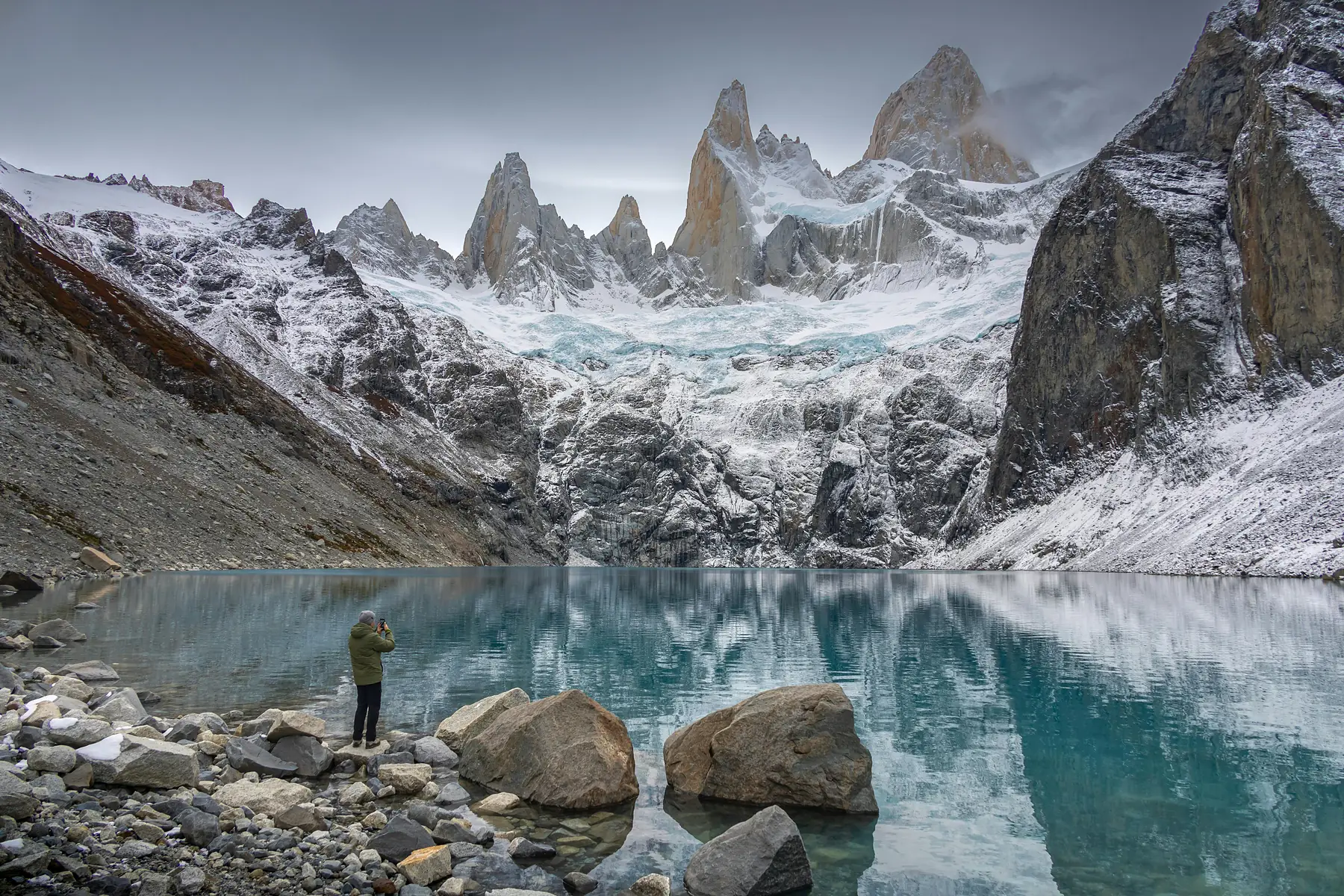
Where you sleep will be your single largest daily expense. The price gap between a luxury eco-lodge and a campsite is massive: often $400 USD versus $15 - $20 USD.
The Accommodation Hierarchy
- Camping: This is the ultimate budget saver. Many hostels allow you to pitch a tent in their garden for a reduced fee, giving you access to the kitchen and hot showers.
- Residenciales and Hospedajes: These are family-run guesthouses. They are often cheaper than formal hotels and provide a more authentic experience, frequently including a basic breakfast of bread and jam.
- Hostel Dorms: Standard in every major hub. To get the best rates, look for hostels that are slightly away from the main bus terminal or town center.
The Booking Window Factor
Budget options in Patagonia do not stay vacant for long. For the 2026/27 season, the cheapest hostel beds and the highly coveted campsites in Torres del Paine (managed by Vertice and Las Torres Patagonia) have booking windows that open between March and June, with availability becoming fragmented inside 9 months. If you wait until you arrive, you will be forced into “last-minute” hotels that can cost triple your budget. Refer to our Patagonia booking timeline to ensure you don’t miss these critical windows.
When staying in hostels, prioritize those with high-quality kitchens. The ability to cook your own dinner rather than eating out can save you $25 - $35 USD per day.
For a curated list of the best affordable stays, check our guide to Patagonia’s best hostels and cheap hotels. If you plan to sleep under canvas, read our guide on camping in Patagonia.
Eating Cheap: The Self-Catering Guide
Restaurant prices in Patagonia are inflated by the cost of transporting goods to remote regions. A simple steak dinner in El Calafate can easily cost $35 USD, while a supermarket pasta meal costs less than $6 USD.
The “Supermarket Hub” Strategy
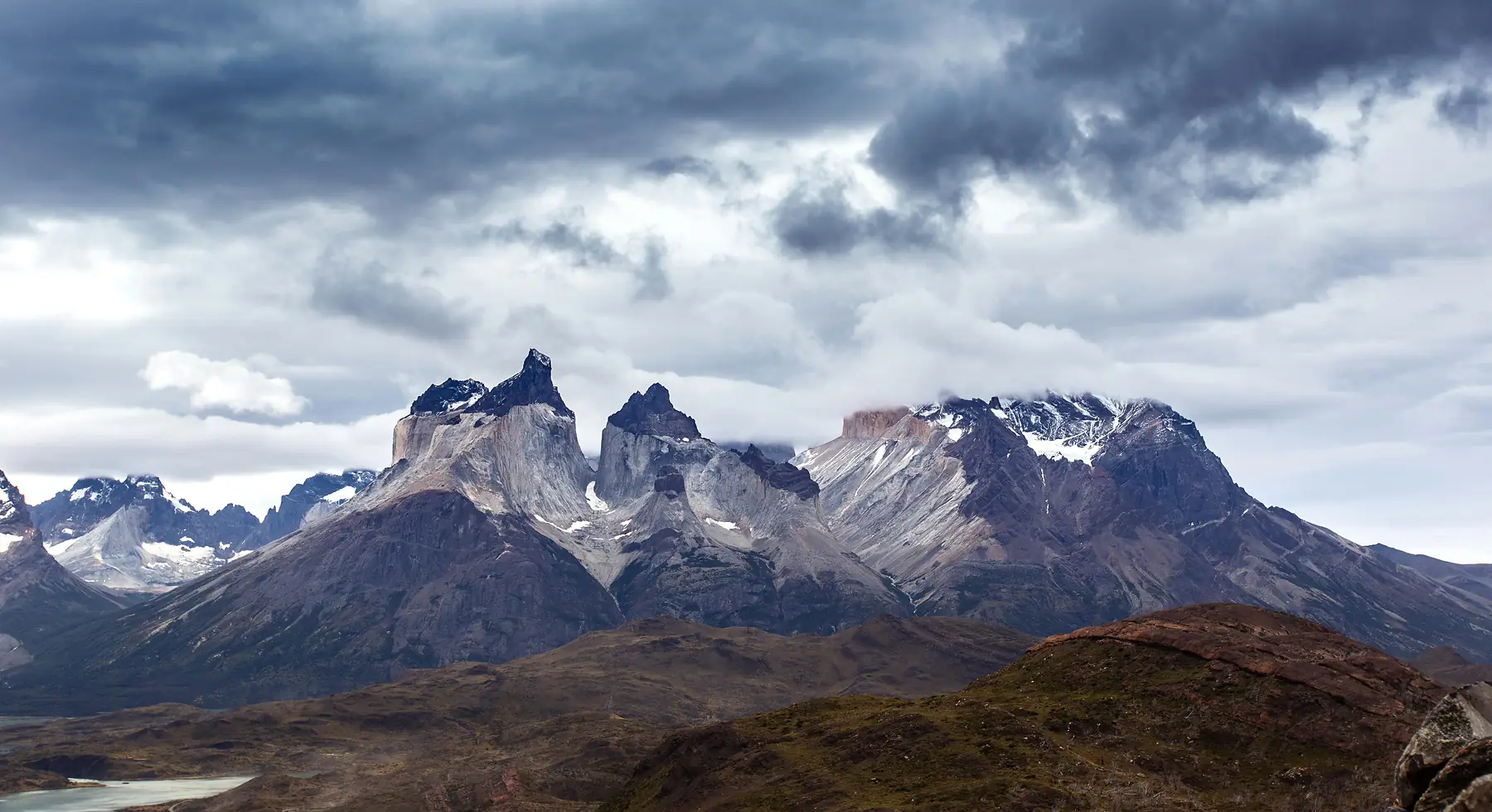
Stock up on non-perishable essentials (pasta, rice, lentils, nuts, coffee) in larger gateway cities. Punta Arenas and Puerto Natales in Chile, or El Calafate in Argentina, have large supermarkets with much lower prices than the tiny “mini-mercados” found in El Chaltén or near the national parks.
Daily Habits for Savings
- The Empanada Lunch: A couple of empanadas from a local bakery (panadería) usually cost $4 - $6 USD and provide a filling, portable lunch.
- Hostel Kitchens: These are non-negotiable for budget travelers. Before booking, check reviews to ensure the kitchen is well-equipped.
- Water: Patagonia has some of the cleanest water on Earth. Never buy bottled water; bring a reusable bottle and fill it from the tap or, in many national parks, directly from glacial streams.
Be extremely careful when crossing the border between Chile and Argentina. Both countries have strict regulations (SAG in Chile, SENASA in Argentina) against bringing fresh products. Prohibited items include fresh fruit, vegetables, honey, any non-industrialized meat (including ham/salami), and unpasteurized dairy. Fines are heavy and non-negotiable.
National Parks on a Budget: Torres del Paine & Beyond
National parks are the highlights of the region, but they can also be budget killers due to entrance fees and high-priced services.
DIY vs. Guided Tours
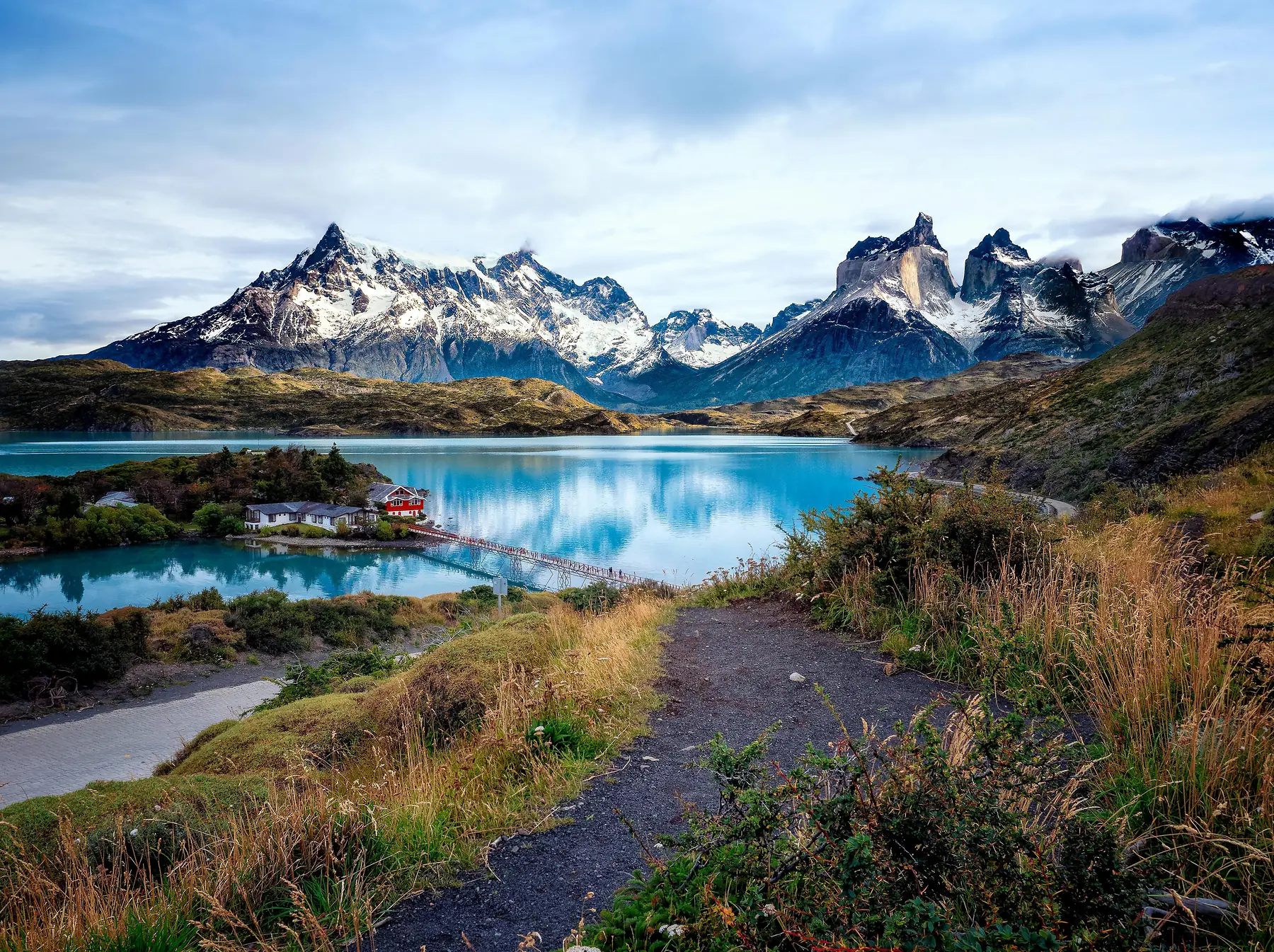
You almost never need a guide for the major treks in Patagonia. The W Trek and O Circuit in Torres del Paine, as well as all the trails in El Chaltén, are exceptionally well-marked. By navigating yourself, you save hundreds of dollars in guiding fees.
The Rent vs. Buy Math
If you don’t already own high-quality trekking gear, you face a choice: buy it at home or rent it in a hub like Puerto Natales.
- Rent: Best if you are only doing one 4 - 5 day trek.
- Buy: Best if you plan to spend 2+ weeks camping. High-quality gear at home is often cheaper and better than the rental stock available in Patagonia.
Check our complete Patagonia packing list and our guide on whether to bring your own gear or rent locally to help you decide.
If you are visiting Torres del Paine, you must buy your entrance pass online in advance via the official pasesparques.cl platform. For the 2026/27 season, expect to pay approximately $35 USD for a 3-day pass or $50 USD for a longer duration.
Free and Low-Cost Activities
To keep your daily average low, fill your itinerary with activities that cost less than a guided tour.
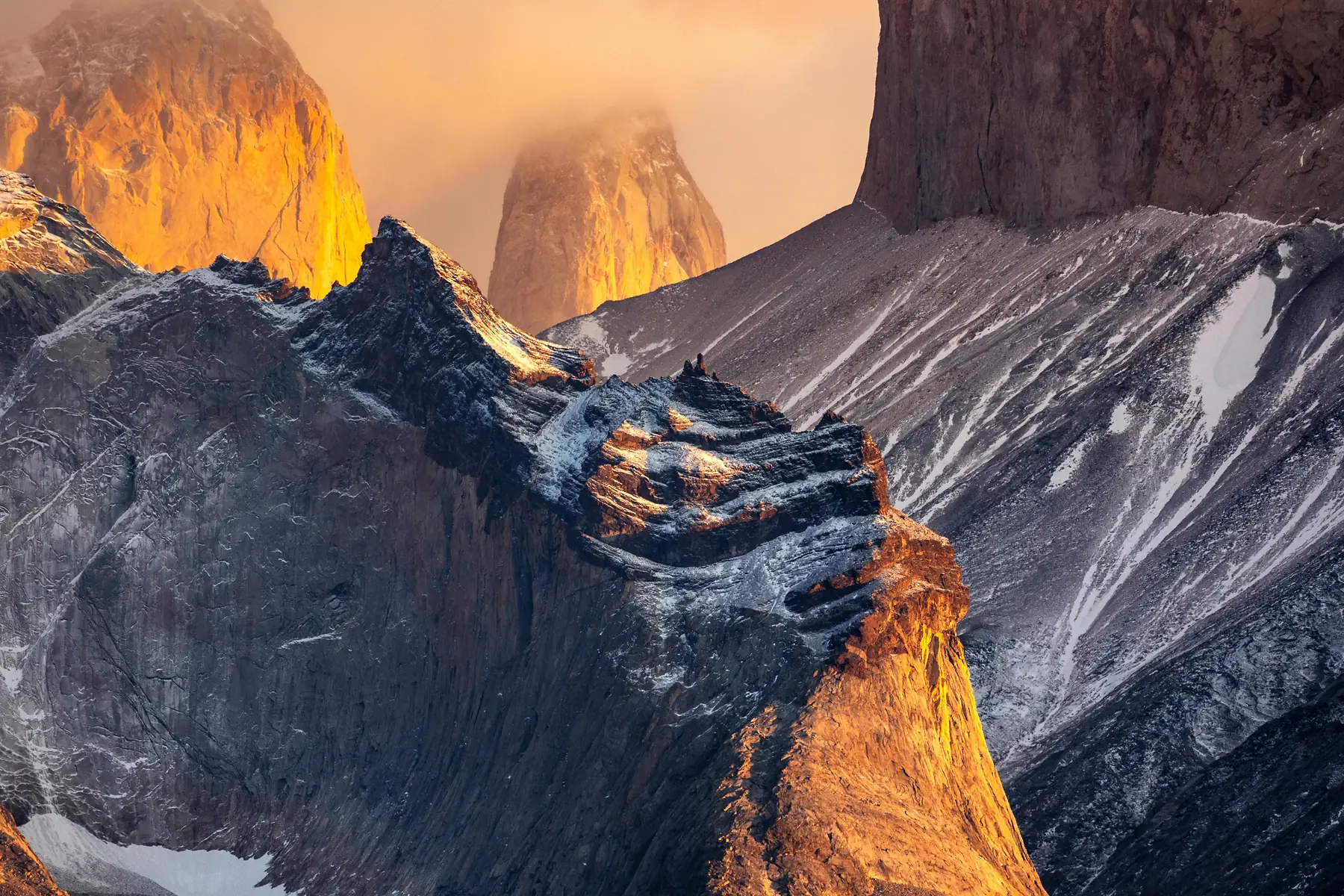
- El Chaltén: While the national park has introduced fees, it remains the best value because you can access the base of Fitz Roy or Cerro Torre without paying for additional transport or guides. Explore our list of the best free hikes in El Chaltén.
- Urban Highlights: Walk the historic cemetery in Punta Arenas or watch the sunset over the Seno Última Esperanza in Puerto Natales.
- Glacier Viewing: While “Big Ice” trekking tours are expensive ($400+), you can see the Perito Moreno Glacier for just the cost of a bus ticket and the national park entrance fee by using the extensive boardwalk system.
Seasonal Timing: When is Patagonia Cheapest?
The time of year you visit has a direct impact on your costs.
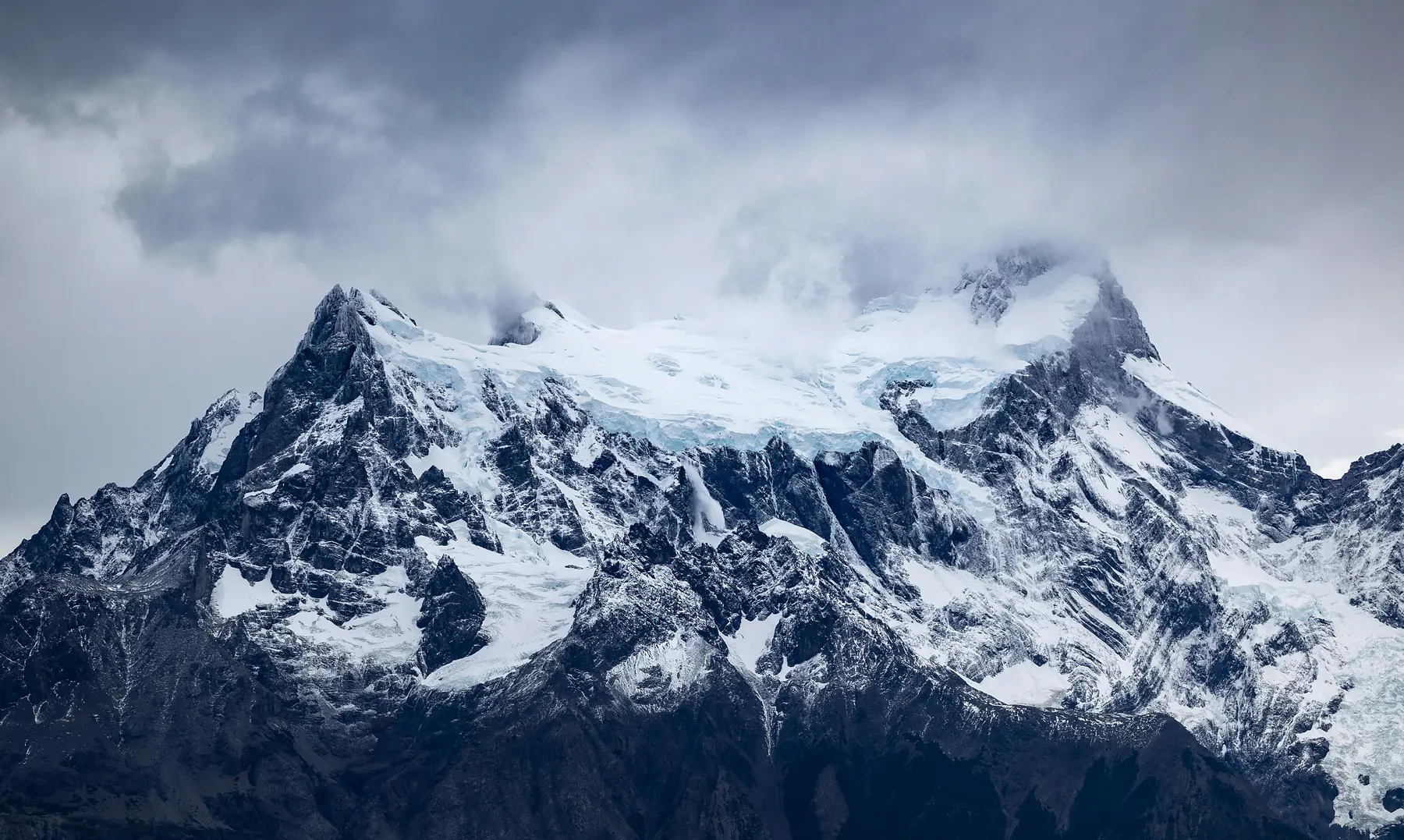
- Peak Season (December - February): Prices are at their highest, and budget accommodation sells out months in advance.
- Shoulder Season (October - November and April): This is the sweet spot. Prices for accommodation can drop by 20 - 30%, and you have a better chance of finding last-minute deals.
- Winter (May - September): While some prices are lower, many budget transport options (like certain bus routes) and hostels close entirely, which can actually make travel more expensive and difficult.
For more on the pros and cons of different months, see our guide on the best time to visit Patagonia.
Price Index by Month (Estimated)
- January/February: 100% (Base Price)
- November/March: 85%
- October/April: 70%
QUESTION: Is it possible to visit Patagonia on a budget?
ANSWER: Yes, by focusing on self-guided day hikes in El Chaltén, camping instead of staying in refugios, and using budget airlines like Sky or JetSmart, travelers can significantly reduce costs.
QUESTION: How much should I budget per day for a cheap Patagonia trip?
ANSWER: For the 2026/27 season, a budget traveler should plan for $60 - $85 USD per day if camping and self-catering, excluding major international flights and national park entry fees.
QUESTION: What is the cheapest way to travel around Patagonia?
ANSWER: Public buses are the most cost-effective reliable transport, though hitchhiking (a dedo) is common and free along the Carretera Austral for those with flexible schedules.
QUESTION: Is camping in Torres del Paine expensive?
ANSWER: Camping is the cheapest way to see the park. Vertice campsites cost USD 13/person/night, while Las Torres campsites start at USD 90/single. Refugio beds range from USD 66 (Vertice basic) to USD 230 (Las Torres).
QUESTION: How can I save money on food in Patagonia?
ANSWER: The best strategy is to self-cater by shopping at large supermarkets in gateway cities like Punta Arenas or El Calafate and utilizing hostel kitchens.
QUESTION: Is El Chaltén or Torres del Paine cheaper for budget travelers?
ANSWER: El Chaltén is significantly cheaper because all major hiking trails are accessible directly from town, whereas Torres del Paine requires expensive shuttles, boat transfers, and higher-priced camping fees.